
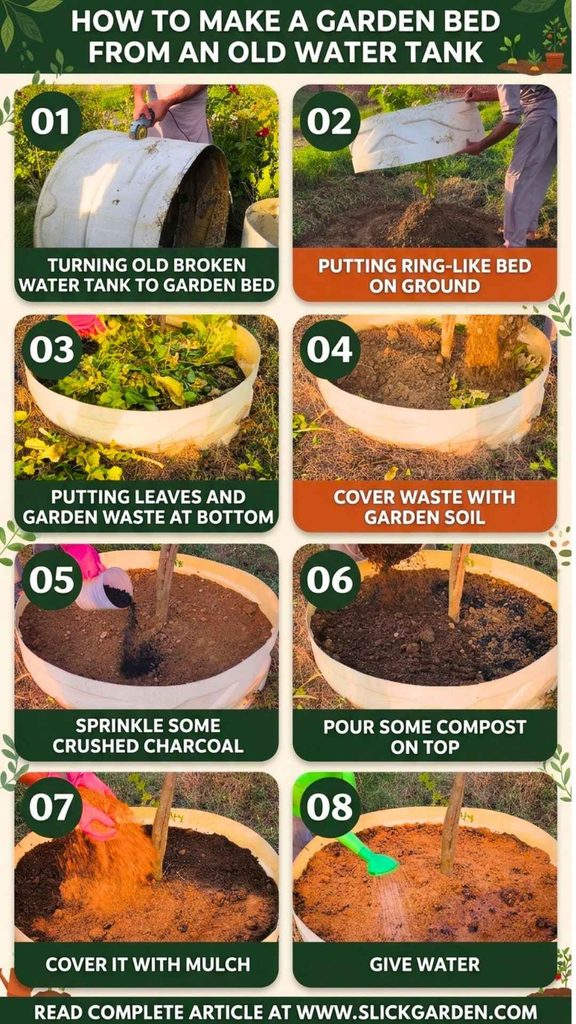
At the end of the growing season, when fall arrives and winter is about to start, this is what we do to prepare our garden beds for next spring. Instead of leaving the beds empty, we use this time to add organic matter to the soil. All those leaves, fruit peels, rotten vegetables, and other things from the kitchen and backyard can be used for this purpose.
The idea is to let everything slowly break down over winter. By the time we are ready to plant again in spring, some of this organic matter will have decomposed and become part of the soil. This also means we won’t have to spend as much money buying compost for our garden beds.
Collect Organic Matter From Your Kitchen and Backyard
First, collect whatever organic matter you can find around your house. We usually use fallen leaves, fruit peels, rotten fruits and vegetables, and other kitchen scraps. You can also collect old plant material from your garden, provided it is healthy and doesn’t contain mature weed seeds.
You don’t have to collect everything in one day. Just keep adding kitchen waste to a bucket or container whenever you have some available. Fallen leaves are usually easy to collect during fall, so gather those too.
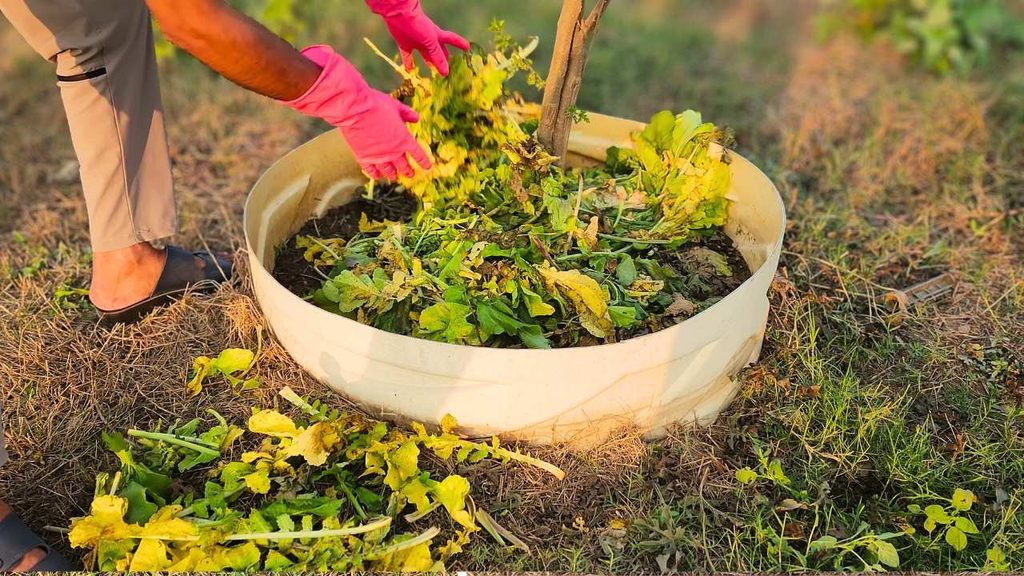
Once you have enough material, spread it directly over your garden bed. Try to cover as much of the surface as possible. If you have large leaves or big pieces of vegetable waste, break them into smaller pieces. This will help them decompose faster.
Cover the Organic Matter With Garden Soil
After spreading the organic matter, take your regular garden soil and cover it. You can use the soil already available in your garden. Even old potting soil will work for this purpose. There is no need to purchase special soil or anything like that.
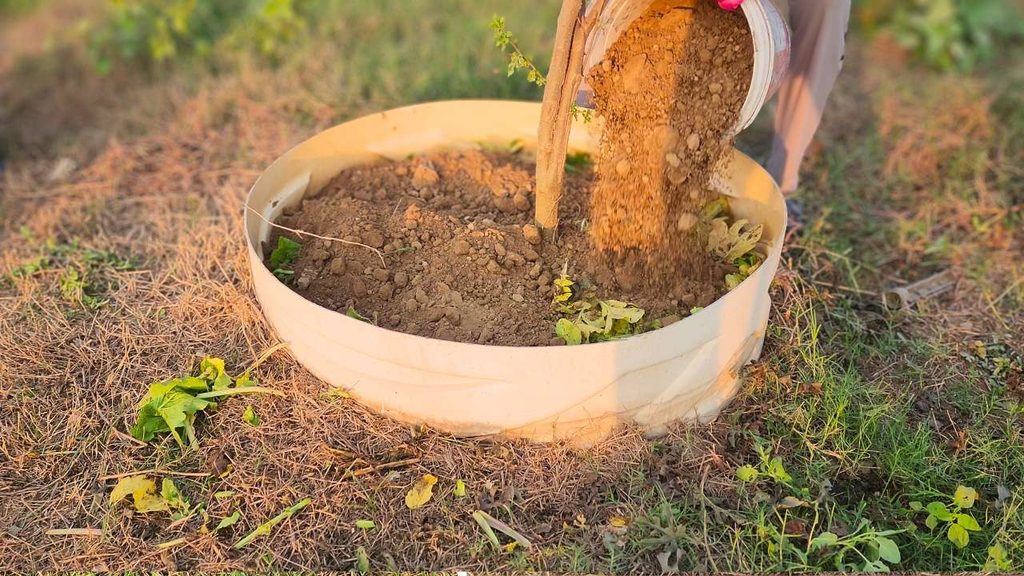
Spread the soil evenly over the leaves and kitchen waste. Make sure most of the organic matter is covered, and then level the surface.
Add Crushed Charcoal to the Soil
After leveling the soil, we have also added some crushed charcoal. Charcoal has tiny pores that can hold water and nutrients. These pores can also provide places for beneficial microorganisms to live. It can be useful for improving soil structure, especially when the charcoal is properly prepared before adding it to the bed.
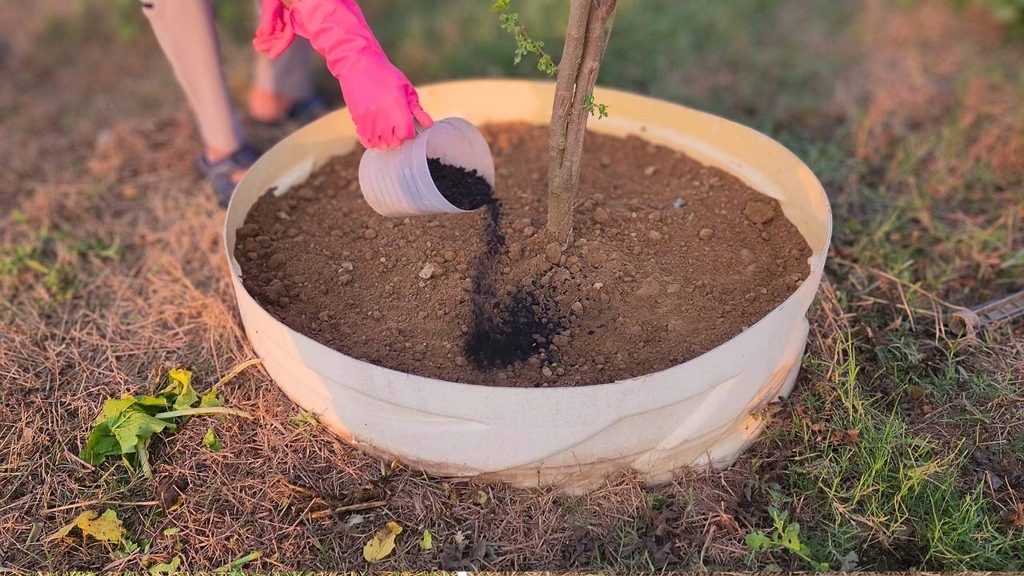
Make sure you use clean charcoal without lighter fluid or chemicals. Crush it into smaller pieces and, if possible, mix it with some compost or compost tea before adding it to the soil. This helps charge the charcoal with nutrients instead of allowing it to absorb nutrients from the surrounding soil.
You don’t need to add a very thick layer. Just spread a moderate amount over the bed.
Sprinkle Some Homemade Compost
Next, if you have some homemade compost, sprinkle a little over the soil. We do this to introduce more microorganisms that help break down the organic matter underneath. You don’t need a lot of compost for this step.
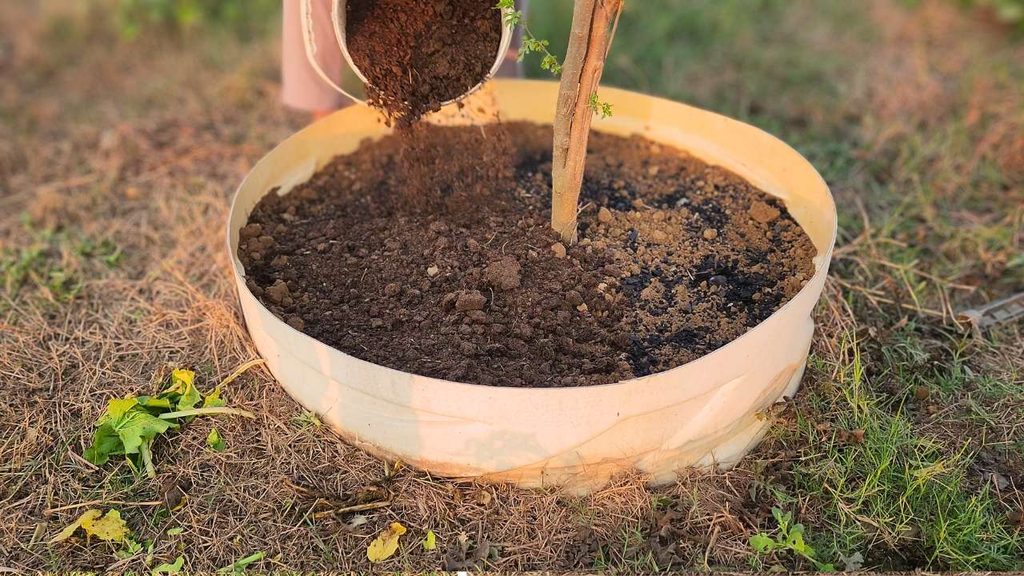
And if you don’t have any compost, that’s fine too. Your regular garden soil already contains microorganisms, so you can skip this part.
Cover the Garden Bed With Mulch
Now cover the entire bed with mulch. You can use dry leaves, straw, grass clippings, or whatever is available in your area. We are using sawdust because we get it from some carpentry work, and there is plenty of it available to us.
Spread the sawdust over the entire bed. Don’t mix it into the soil. Just leave it on top as a mulch layer.
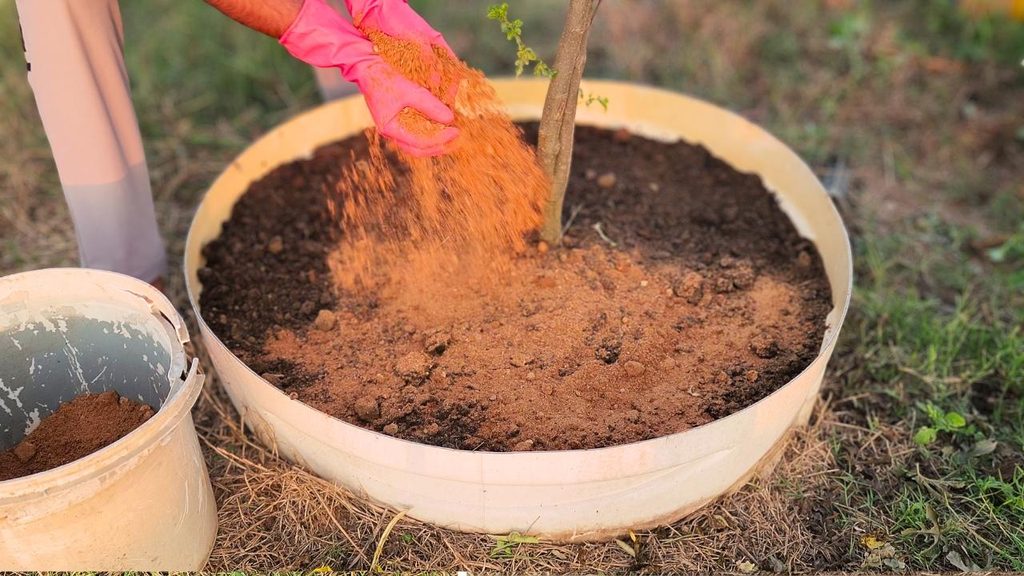
This mulch will protect the soil during winter. It helps reduce the impact of cold weather and heavy rain, and it also keeps the soil from drying out too quickly. Another good thing is that sawdust itself will slowly break down and add more organic matter to the bed.
Just make sure you use sawdust from untreated wood. Don’t use material from painted or chemically treated wood. Also, avoid spreading an excessively thick layer. Fresh sawdust can temporarily tie up nitrogen while decomposing, especially when mixed directly into the soil. That’s why we leave it on top.
Water the Bed and Leave It Over Winter
After spreading the mulch, give the entire bed a good amount of water. Make sure the water reaches the soil and the organic matter underneath. You don’t need to flood the bed, but everything should be properly moist.
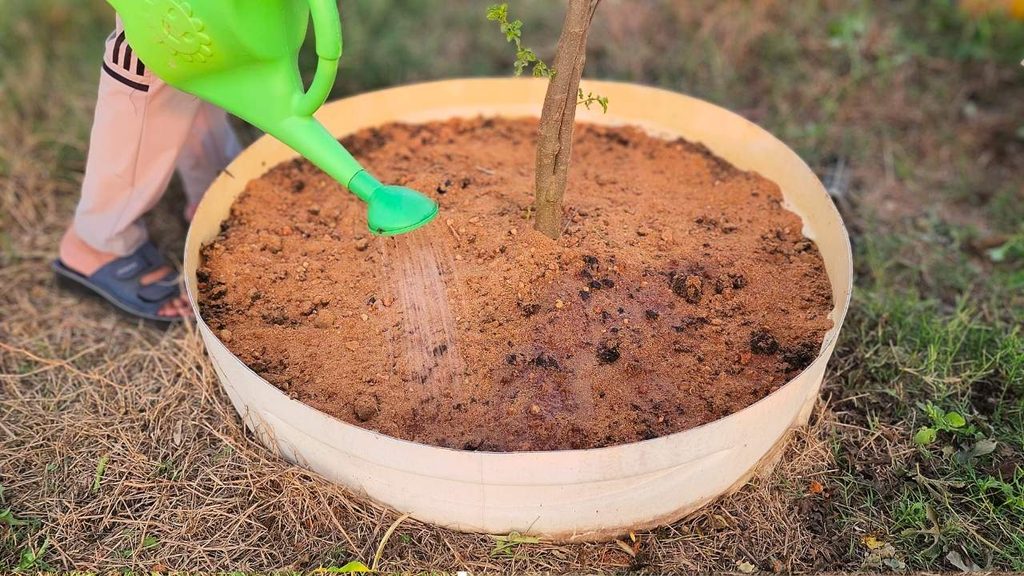
And that’s all we do to prepare the bed.
You can leave it covered throughout winter. There is no need to dig everything up or keep mixing the different layers. Just let the leaves, kitchen scraps, and other organic materials break down naturally.
When spring arrives, some of the material may have completely decomposed, while larger pieces of leaves and other organic waste might still be visible. That’s normal. They will continue breaking down as the weather gets warmer.
Before planting, move aside any remaining coarse mulch and check the soil. If you find larger pieces of organic matter that haven’t decomposed yet, you can leave them there or move them aside when preparing your planting spots.
We use this method because we have plenty of organic waste around the house and garden, and there is no reason to throw all of it away. Instead, we put it back into our garden beds and let it break down over winter.
You can do the same every fall. Just keep adding leaves and kitchen waste, cover everything with soil and mulch, and let it sit until spring. It’s a good way to make use of things you already have instead of buying bags of compost every time you prepare a garden bed.
Recent Posts
How to Hill Potatoes and Feed Them Naturally With Kitchen Waste
When we plant potatoes in ridges, there is always some empty space between two ridges. Instead of leaving this space unused, we can put it to good use by adding leaves and kitchen waste. This...
You don't need to buy a lot of compost or fertilizer to prepare a good garden bed. If you have leaves, kitchen scraps, and other plant waste, you can use them to improve your soil and feed future...