
Healthy soil is the foundation of a thriving garden. Over time, soil can become depleted, losing its natural fertility due to continuous cropping, erosion, or the overuse of chemical fertilizers. Natural liquid fertilizers provide a sustainable solution, nourishing the soil while supporting the growth of strong and resilient plants. Unlike chemical alternatives, these fertilizers work by enhancing the living ecosystem within the soil, feeding beneficial microbes and improving nutrient availability.
One highly effective method of creating a natural liquid fertilizer combines a starchy base, a sugar source, and nutrient-rich organic matter. This approach promotes microbial activity, enhances soil structure, and accelerates the breakdown of organic material, ultimately creating a living fertilizer that supports both soil and plants.
Why Soil Microbes Are Important
Beneficial soil microbes play a crucial role in maintaining soil fertility. These microscopic organisms break down organic matter, release nutrients in plant-accessible forms, and improve soil texture. Microbes such as bacteria, fungi, and actinomycetes form a complex network that helps plants absorb nitrogen, phosphorus, potassium, and trace minerals more efficiently.
When microbial populations are healthy, plants develop stronger roots, are more resistant to diseases, and grow faster. In addition, these microbes enhance the soil’s water-holding capacity and promote the formation of humus, a stable organic material that sustains long-term fertility. By using natural liquid fertilizers, gardeners actively support microbial life, creating a balanced and self-sustaining ecosystem in their soil.
Preparing the Base: Softened Potatoes
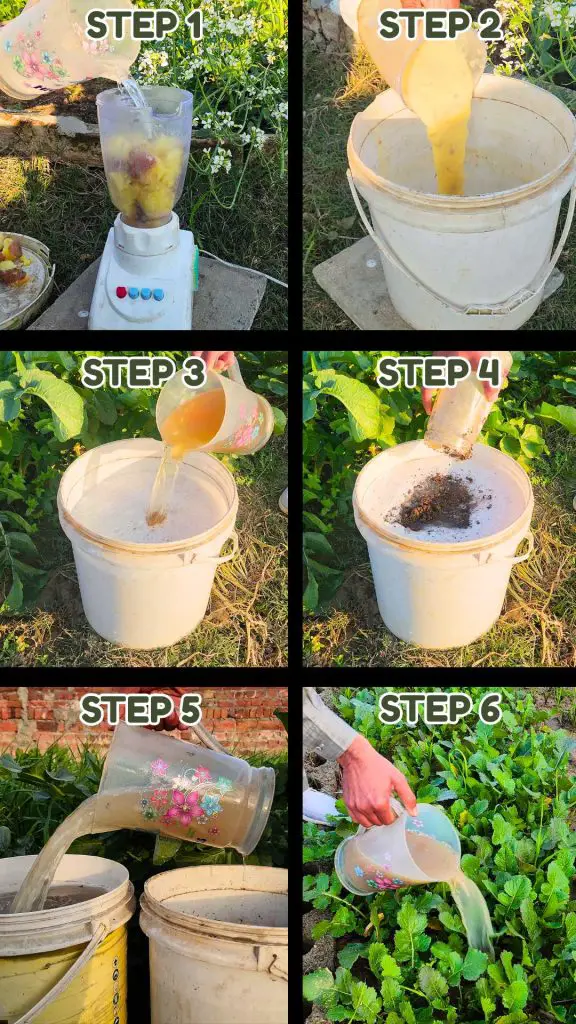
The first step in this natural liquid fertilizer is using a starchy base, such as potatoes. Potatoes are rich in starch, which acts as a slow-release food source for soil microbes. Cooking the potatoes until they are soft makes it easier to break them down into a smooth mixture, ensuring microbes can access the nutrients efficiently.
Once the potatoes are boiled and cooled, they are blended with water to create a thick, smooth mixture. This preparation is crucial because it allows microorganisms to start consuming the material immediately, accelerating fermentation and nutrient release. A smooth consistency also ensures that the liquid fertilizer can be evenly mixed and applied to soil without clumps or uneven patches.
The Role of Clean Water
Using chlorine-free or rainwater is essential in preparing liquid fertilizer. Tap water often contains chlorine or chloramine, which can kill or inhibit the growth of beneficial microbes. Rainwater or filtered water is ideal because it is free of chemicals and often contains trace elements that naturally support microbial activity.
Adding water to the blended starchy base helps create the right consistency for microbial activity. It also ensures that nutrients are distributed evenly throughout the mixture. Clean water acts as a carrier, helping microbes move through the liquid and establish themselves quickly once applied to the soil.
Feeding Microbes with Sugar
Sugar is a powerful stimulant for microbial activity. Adding a sugar solution to the base mixture provides an immediate energy source for microbes, encouraging rapid reproduction and increased activity. This step is critical because the faster microbes multiply, the faster they can start breaking down organic matter and releasing nutrients into the soil.
Brown sugar is particularly effective because it contains small amounts of minerals alongside simple sugars, providing extra support for microbial growth. By dissolving sugar in water before mixing it into the base, it ensures an even distribution and prevents clumping. The combination of starchy material and sugar creates a nutrient-rich environment that accelerates microbial colonization.
Incorporating Organic Matter
Adding a handful of compost, well-decomposed manure, or healthy garden soil is the next step. This material introduces a diverse range of microorganisms, including bacteria and fungi, which are essential for nutrient cycling. Compost also adds additional organic matter, trace minerals, and humus to the mixture, further enhancing soil fertility.
Healthy garden soil can serve as a microbial starter culture, especially if it comes from a fertile, well-maintained area. The microbes in the soil begin feeding on the starchy base and sugar, multiplying rapidly and forming a balanced microbial ecosystem. The combination of organic matter and sugars creates a powerful living fertilizer that can improve both short-term plant growth and long-term soil health.
Proper Mixing and Fermentation
Once all the ingredients are combined, it is important to mix the container thoroughly. Even distribution of all components ensures that microbes have consistent access to food sources and nutrients. After mixing, the container should be loosely covered. Fermentation produces gases, and these need to escape to prevent pressure buildup and anaerobic conditions, which can create unpleasant smells and harm beneficial organisms.
The container should be kept at a moderate temperature, close to room temperature. Extremely cold temperatures slow microbial activity, while excessive heat can kill beneficial microbes. Leaving the mixture undisturbed for about 24 hours allows microbes to colonize and begin transforming the mixture into an active liquid fertilizer. Mild bubbling or a sweet, fermented aroma indicates that microbial activity is taking place.
Application and Dilution
The liquid fertilizer is concentrated and must be diluted before application. A typical dilution ratio is 1 part fertilizer to 10 parts water. This makes the solution gentle and safe for plants while maintaining its microbial and nutrient benefits.
Apply the diluted fertilizer directly to the soil around the base of plants rather than spraying it on leaves. Soil application allows microbes to reach the root zone, where they interact with plant roots and enhance nutrient absorption. Regular use supports healthy root development, improved water uptake, and stronger, more resilient plants.
Benefits for Plants
Using this natural liquid fertilizer provides numerous benefits for plants. First, it promotes stronger root systems, which allows plants to absorb water and nutrients more efficiently. Plants with healthy roots grow faster, develop stronger stems, and produce more abundant foliage, flowers, or fruits.
Second, it improves plant resilience. Plants grown in microbe-rich soil are better able to withstand stress from drought, heat, or soil-borne diseases. The microbial ecosystem competes with harmful pathogens, reducing the risk of root rot, fungal infections, and other common problems.
Third, this fertilizer enhances overall growth balance. Unlike chemical fertilizers that may cause excessive leafy growth or nutrient imbalances, a living fertilizer encourages steady and healthy development of roots, stems, and leaves, resulting in stronger, well-structured plants.