
Wood ash is a remarkable natural resource that is often overlooked. When wood burns, most of the carbon is released as smoke, but the remaining ash contains valuable minerals like potassium, calcium, and magnesium, along with trace elements that plants need.
Using wood ash in the garden is an eco-friendly way to recycle nutrients back into the soil, reduce waste, and support plant growth naturally.
To make wood ash, only clean, untreated wood should be used. Twigs, branches, and larger chunks of wood are ideal. Avoid painted, treated, or chemically processed wood, as these can release harmful substances into the soil.
Burn the wood completely until it turns into fine white or gray ash. Allow the ashes to cool fully before handling. The resulting wood ash is dry, lightweight, and rich in nutrients that are immediately available for soil use.
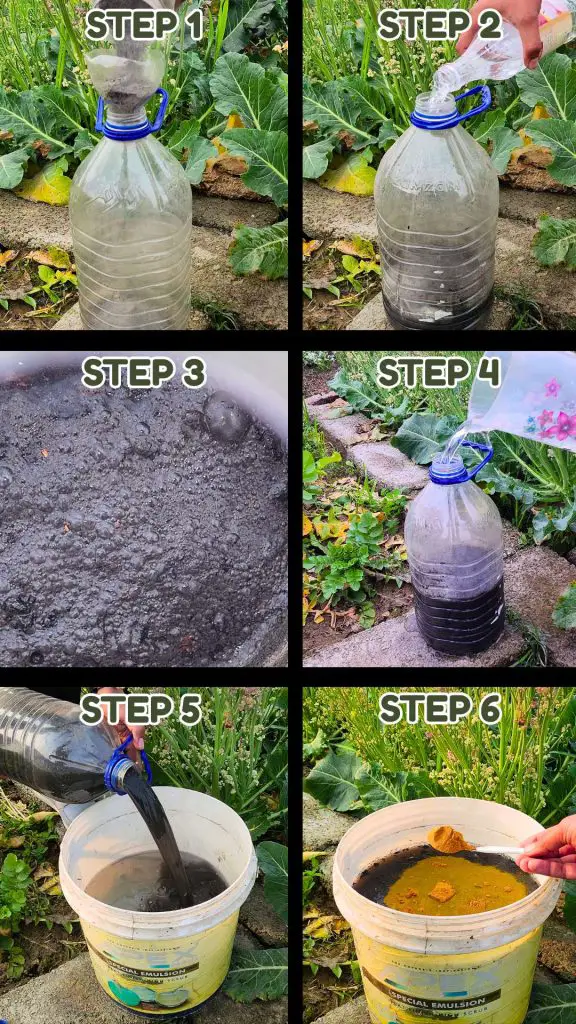
Mixing Wood Ash with Vinegar
Wood ash on its own is highly alkaline. If applied directly to the soil in large quantities, it can increase soil pH excessively and harm plant roots. To make it safer and more effective, it is often mixed with white vinegar.
The vinegar, which is mildly acidic, reacts with the alkaline compounds in the ash, such as potassium carbonate and calcium carbonate. This chemical reaction produces small bubbles of carbon dioxide and converts some of the minerals into water-soluble forms.
This process is crucial because plants can only absorb nutrients that are dissolved in water. By mixing wood ash with vinegar, the minerals become more readily available to the plants. Additionally, the partial neutralization of alkalinity helps prevent the soil from becoming overly basic, which can interfere with nutrient uptake.
Diluting the Mixture
After the initial reaction between vinegar and ash, it is important to dilute the solution. Adding several liters of water reduces the concentration of both the acidic and alkaline components, making it safe for plants. During this period, the heavier ash particles settle to the bottom of the container, while the dissolved minerals remain in the water.
Allowing the mixture to rest for about a day stabilizes it further. The remaining chemical reactions slow down, and the solution becomes uniform. Small amounts of carbon dioxide continue to escape during this resting period. By the next day, the mixture is calm, safe to handle, and ready for use.
Final Dilution and Safety
Even after resting, the mixture may still be too strong to apply directly to plant roots. Vinegar can be harsh, and a high concentration of minerals may damage young or sensitive plants. Diluting the solution fifty-fifty with water ensures it is gentle and safe for application. This final step is essential to avoid burning plant roots and to provide a mild, balanced nutrient boost.
Adding Turmeric to the Mixture
Turmeric powder can be added to the diluted wood ash solution for additional benefits. While turmeric does not provide significant macronutrients like nitrogen, phosphorus, or potassium, it contains natural compounds such as curcumin and aromatic oils that have mild antimicrobial properties. These compounds can help reduce the growth of certain harmful bacteria or fungi in the soil, supporting healthier root systems.
In addition to antimicrobial effects, turmeric contains starches that serve as food for beneficial soil microbes. When applied near the roots, this encourages microbial activity, which improves nutrient cycling, enhances organic matter breakdown, and supports strong plant growth. Turmeric can also act as a mild deterrent for certain pests due to its strong smell and bitter taste, although this effect is not long-lasting.
How Wood Ash Fertilizer Supports Plant Growth
Wood ash fertilizer primarily supplies potassium and calcium to plants. Potassium is essential for flowering, fruiting, and overall plant strength. Calcium supports cell wall development, root structure, and nutrient uptake. The mild acidity from the vinegar helps prevent nutrient lockout in soils that may be slightly alkaline, improving nutrient absorption.
When applied near the roots, this natural fertilizer provides a balanced mineral boost that supports healthy plant development. The turmeric adds microbial support, which helps maintain a healthy soil ecosystem. Together, these components create a favorable environment for roots to grow strong and for plants to flourish.
Application Methods
Applying wood ash fertilizer is straightforward. The diluted mixture should be poured directly near the root zone, where plants can absorb the minerals efficiently. Avoid applying the solution to leaves or stems, as high concentrations of minerals or acidity could cause leaf burn. For young plants, use smaller amounts or dilute further to prevent stress.
This fertilizer is suitable for a variety of plants, including vegetables, fruiting plants, and flowers. Acid-loving plants, such as blueberries, azaleas, and rhododendrons, require extra caution or further dilution due to their preference for low pH soil.
Benefits of Using Wood Ash Fertilizer
Using wood ash fertilizer has several advantages:
- Natural and Eco-Friendly: It recycles waste material and reduces the need for chemical fertilizers.
- Rich in Nutrients: Provides essential minerals like potassium, calcium, and magnesium.
- Supports Soil Microbes: When combined with turmeric, it encourages beneficial microbial activity.
- Gentle on Plants: Proper dilution ensures it does not harm roots or leaves.
- Improves Soil Health: Helps balance soil pH when used correctly and improves nutrient availability.
Enhancing Soil Microbial Activity
Soil microbes play a crucial role in plant health. They help break down organic matter, release nutrients, and suppress harmful organisms. The addition of turmeric supports microbial diversity and activity. Its starch content feeds microbes, while its mild antimicrobial compounds reduce harmful bacteria without affecting beneficial ones. This balance promotes a thriving soil ecosystem, which is essential for sustained plant growth.
Recent Posts
Planting Tomatoes This Way Changed Everything – Deep Hole Method for Bigger Tomato Plants
Before planting a new crop, it is always a good idea to prepare the bed properly. In this case the bed was previously used for growing sweet peas. The plants produced well and once the harvest was...
48-hour seed test that reveals which cucumber seeds are alive — try this tonight
Germinating cucumber seeds is an important first step for any gardener. Starting seeds before planting them in soil ensures higher success rates and saves time. By germinating seeds first, you can...