
Creating a garden bed specifically for seed germination is a smart way to give plants the strongest possible start. Seeds and very young seedlings have needs that are quite different from mature plants. At this early stage, roots are extremely delicate, nutrient demand is low but precise, and moisture balance is critical.
A seed-focused bed is designed to support these requirements without overwhelming young plants. By preparing the soil carefully and layering the right materials, you create an environment where seeds can germinate evenly and seedlings can establish strong roots before facing the harsher conditions of the open garden.
Unlike general-purpose beds, this type of bed prioritizes softness, drainage, and biological activity. The goal is not rapid leafy growth but stable, healthy development below the surface. When roots grow freely and without stress, the plant above the soil becomes naturally stronger and more resilient later in the season.
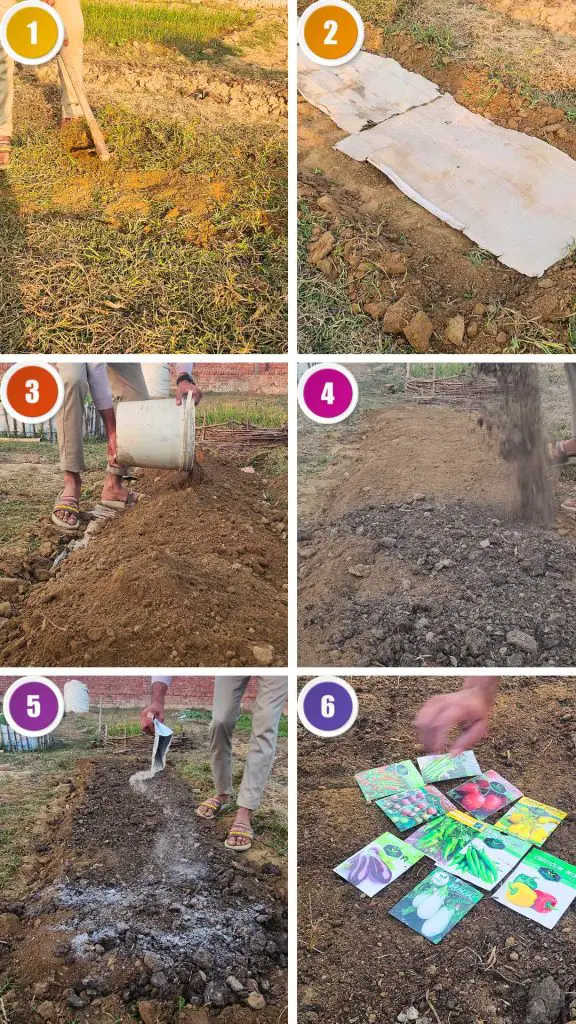
Choosing the Right Location
Location plays a major role in germination success. A seed bed should receive adequate sunlight but not be exposed to constant harsh conditions. Morning sun with light afternoon shade is ideal in many regions, especially during warmer months. The area should also drain well, as standing water can quickly rot seeds before they sprout.
Avoid spots where water collects after rain or irrigation. Slightly elevated ground works best, as it prevents excessive moisture buildup while still allowing the soil to retain enough water for germination. Wind exposure should also be considered. Strong, drying winds can pull moisture from the soil surface, making it harder for seeds to stay consistently damp during the germination period.
Clearing and Preparing the Ground
Once the location is chosen, the ground must be prepared carefully. Remove all weeds, grasses, and unwanted plant roots from the area. Weeds are aggressive competitors, even at the earliest stages of plant growth. They steal moisture, nutrients, and space, all of which young seedlings desperately need.
Stones, hard clumps of soil, and debris should also be removed. These obstacles can interfere with fine root development and cause uneven soil density. A clean, loose base ensures that roots can spread easily in every direction. This preparation step may seem simple, but it lays the foundation for everything that follows.
Using Cardboard as a Base Layer
Placing cardboard at the bottom of the bed is a practical and effective technique. Cardboard acts as a natural weed barrier, preventing dormant weed seeds from pushing through into the seed bed. This reduces the need for constant disturbance later, which can damage young seedlings.
Cardboard also helps regulate moisture. It slows down water loss from the soil while still allowing excess moisture to drain through gradually. Over time, the cardboard breaks down and becomes part of the soil, adding organic matter and feeding beneficial organisms. Earthworms and microbes are especially attracted to this layer, improving soil health from below.
Building the Soil Height with Garden Soil
On top of the cardboard, a layer of garden soil is added to build the bed slightly above ground level. This improves drainage and helps the soil warm more evenly, both of which are important for germination. Seeds respond better to soil that is loose and well-aerated rather than compacted and dense.
The soil should be spread evenly and gently leveled. A smooth, even surface ensures uniform watering and prevents seeds from being washed into low spots. This also makes planting depth more consistent, which helps seeds germinate at the same time instead of in scattered stages.
Adding Fully Decomposed Compost or Manure
A layer of fully decomposed compost or well-rotted manure is essential for creating a supportive growing environment. At the seedling stage, plants do not need heavy feeding, but they do benefit from steady access to mild nutrients and organic matter.
Compost improves soil structure, making it softer and easier for roots to penetrate. It also increases the soil’s ability to hold moisture without becoming waterlogged. Fully decomposed material is important because fresh compost or manure can generate heat or release strong nutrients that may harm young roots. When properly broken down, compost feeds plants gently and consistently.
The Role of Vermicompost in Early Growth
Vermicompost is an excellent addition to a seed bed when available. Produced by earthworms, it contains beneficial microbes, enzymes, and plant-friendly nutrients that support early growth. Unlike synthetic fertilizers, vermicompost works with the soil ecosystem rather than forcing rapid growth.
Seeds planted in soil enriched with vermicompost often show better germination rates and stronger early root systems. The presence of beneficial microorganisms also helps protect young seedlings from soil-borne diseases, which are more likely to affect plants during their early stages.
Supporting Root Development with Bone Meal
Bone meal is particularly useful in a seed-focused bed because of its phosphorus and calcium content. Phosphorus plays a key role in root formation and energy transfer within the plant. Strong root development at the beginning leads to healthier, more productive plants later on.
Calcium contributes to cell wall strength, helping seedlings grow upright and resilient. Because bone meal releases nutrients slowly, it does not overwhelm young plants. Instead, it provides a steady supply that supports gradual, balanced growth, which is exactly what seedlings need.
Improving Moisture Balance with Coco Peat
Coco peat is one of the most effective materials for maintaining proper moisture levels in a seed bed. It absorbs and holds water while still allowing excess moisture to drain away. This balance prevents both drying out and waterlogging, two common causes of poor germination.
Another benefit of coco peat is its soft texture. It keeps the soil surface light and prevents crust formation, which can block emerging seedlings. When shoots reach the surface, they encounter less resistance, making emergence easier and more uniform across the bed.
Mixing the Layers Gently
After all layers are added, they should be mixed lightly. The goal is not to turn the soil deeply but to blend the top layers enough to distribute nutrients evenly. Gentle mixing maintains the loose structure of the bed while ensuring that seeds will encounter a balanced growing medium.
Overmixing or compacting the soil can reduce airflow and limit root expansion. A light hand at this stage preserves the benefits of each layer while creating a unified environment for germination.
Planting Seeds in the Prepared Bed
With the bed ready, seeds can be planted directly into the soil. Each type of seed has a preferred planting depth, and following these guidelines improves germination success. Seeds planted too deeply may struggle to reach the surface, while those planted too shallow may dry out.
Watering should be done gently to avoid disturbing the soil surface. Fine sprays or slow watering methods help keep seeds in place while providing the moisture needed to trigger germination. Consistent moisture during this period is far more important than heavy watering.
Temperature Considerations and Seasonal Timing
Temperature has a direct impact on seed germination. In mild conditions where frost is not present, seeds can germinate comfortably without additional protection. Soil prepared in this way warms evenly and maintains stable moisture, supporting steady growth.
When colder conditions arrive, the same bed can be adapted with covers or simple protection methods. Preparing the bed properly from the start makes it more adaptable to seasonal changes, reducing the need for constant adjustments.