
A few weeks ago, this garden bed was left unprepared. Despite tossing in some turnip seeds, the soil wasn’t ready to support strong growth. The seeds did sprout, but the plants stayed small, and the roots never developed properly.
Rather than pulling them out and wasting the crop, we decided to use the weak plants to improve the soil and prepare the bed for spring planting. This approach turns an apparent failure into an opportunity to rebuild healthy, fertile soil.
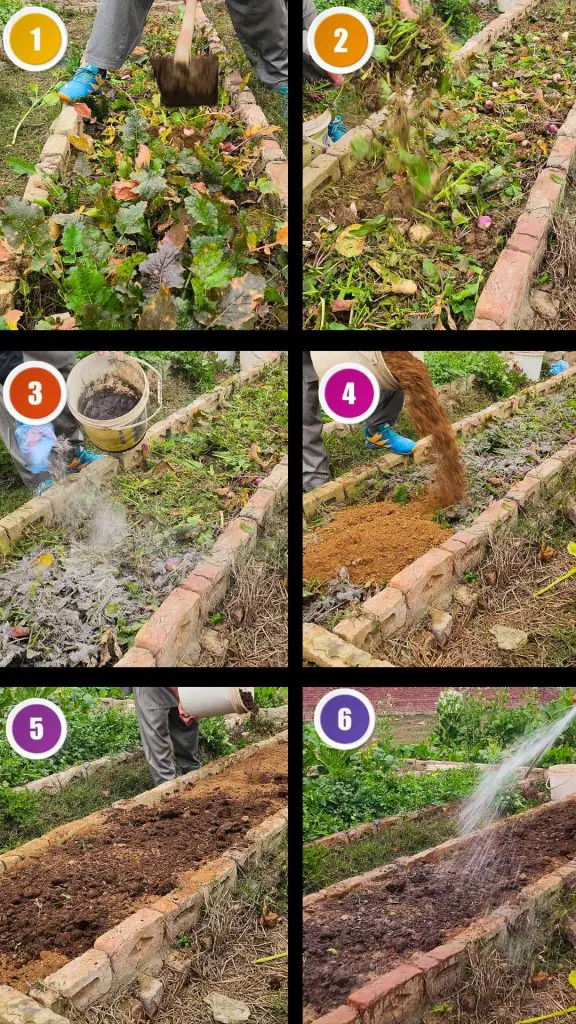
Chopping the Crop
The first step is to chop the weak turnip plants directly in the bed. There’s no need to remove them. Cutting the plants into small pieces allows them to break down faster and makes it easier for soil organisms to access the nutrients.
Once chopped, the plant material is spread evenly across the surface of the bed. This green layer is rich in nitrogen, which is essential for feeding beneficial microbes and accelerating the decomposition process.
Adding Organic Matter
On top of the chopped plants, additional organic material is layered. Dry leaves, overripe vegetables, and old fruits are all excellent choices. These materials provide a balance of carbon and nutrients, helping to improve soil structure and water retention.
Chopping these items into smaller pieces ensures that they decompose more quickly and do not form compacted layers that prevent airflow. This step increases the overall organic matter in the soil, which is crucial for long-term fertility and plant health.
Using Wood Ash
A light sprinkling of wood ash from a garden bonfire is added next. Wood ash contains potassium and trace minerals that plants need for growth. It can also help to slightly raise the pH of acidic soils. Using it in moderation ensures that the soil is supported without causing any harm. Even a thin layer of ash can provide valuable nutrients while maintaining the right balance for microbial activity.
Covering With Garden Soil
After adding organic matter and wood ash, a layer of garden soil is spread over the bed. This step helps cover the organic material, keeping it moist and providing a stable environment for microbes. The soil also introduces naturally occurring microorganisms that will contribute to decomposition. Care should be taken to spread the soil evenly and gently level the bed without compacting it, as air pockets are important for healthy microbial activity.
Sprinkling Neem Cake
Next, neem cake is sprinkled on top. Neem cake is a natural byproduct of neem oil production and is valued for its ability to slowly release nutrients, especially nitrogen. It also helps suppress soil pests and harmful organisms. Adding neem cake at this stage provides a protective layer that supports soil health and encourages a balanced ecosystem in the bed, preparing it for future planting.
Adding Compost
A layer of well-finished compost is then added. Compost introduces beneficial bacteria and fungi that accelerate the decomposition of the inner layers of leaves, vegetables, and chopped turnip plants. It also improves the structure of the soil by increasing humus content, which helps retain water and nutrients. This layer acts as a microbial starter, kickstarting the breakdown process and creating fertile conditions for the next crop.
Watering the Bed
After all layers are in place, the bed is thoroughly watered. Moisture is essential for decomposition, as dry conditions can slow microbial activity and prevent nutrients from being released. Watering helps settle the layers together and ensures that microbes can move through the soil efficiently. The goal is to keep the bed evenly damp, not soggy, to create ideal conditions for organic matter breakdown.
Waiting Period
Once watered, the bed is left undisturbed for about ten days. This resting period allows the layers to start decomposing naturally. The internal temperature may rise slightly as microbes become active, speeding up nutrient release. Waiting ensures that the bed is fully prepared and balanced, avoiding stress to future plants that could be caused by ongoing decomposition.
Benefits of This Method
This approach transforms a weak or failed crop into a resource rather than a waste. The chopped plants, leaves, and kitchen scraps feed soil microbes, which in turn produce nutrients for future crops. The layering method also improves soil structure, increases organic matter, and enhances water retention. Over time, the bed becomes more fertile and better equipped to support healthy root growth and vigorous plants.
Preparing for Spring Planting
After the ten-day resting period, the garden bed is ready for spring planting. By recycling the weak crop and other organic matter, the soil is now rich in nutrients, teeming with microbial life, and structurally improved. This process reduces the need for chemical fertilizers and encourages sustainable gardening practices. Vegetables planted in this bed will have a stronger start, better growth, and higher yields.
Tips for Success
For best results, use a variety of organic materials, including green matter for nitrogen, dry leaves for carbon, and overripe fruits or vegetables for additional nutrients. Avoid piling layers too thickly, as compacted layers can slow decomposition.
Moderate watering is essential, and using natural supplements like neem cake or wood ash can provide additional minerals and pest protection. Finally, patience is key—allowing time for the bed to rest ensures a fertile and balanced growing environment.
Recent Posts
Planting Tomatoes This Way Changed Everything – Deep Hole Method for Bigger Tomato Plants
Before planting a new crop, it is always a good idea to prepare the bed properly. In this case the bed was previously used for growing sweet peas. The plants produced well and once the harvest was...
48-hour seed test that reveals which cucumber seeds are alive — try this tonight
Germinating cucumber seeds is an important first step for any gardener. Starting seeds before planting them in soil ensures higher success rates and saves time. By germinating seeds first, you can...