
In many homes, orange peels are treated as simple kitchen waste and thrown away without a second thought. What most gardeners do not realize is that these peels are full of natural oils, nutrients, and compounds that can be transformed into something extremely valuable for the garden. With a very simple process, you can turn this everyday waste into a rich bio enzyme that supports plant growth, improves soil health, and even helps keep mild pests away.
This method is low-cost, eco-friendly, and easy to follow. It uses just a few natural ingredients and basic tools that are already available in most households. The result is a liquid that works as both a gentle plant tonic and a natural garden helper. Once you start using it regularly, you will notice healthier plants, greener leaves, and stronger overall growth in your vegetable beds.
Collecting and Preparing Orange Peels the Right Way
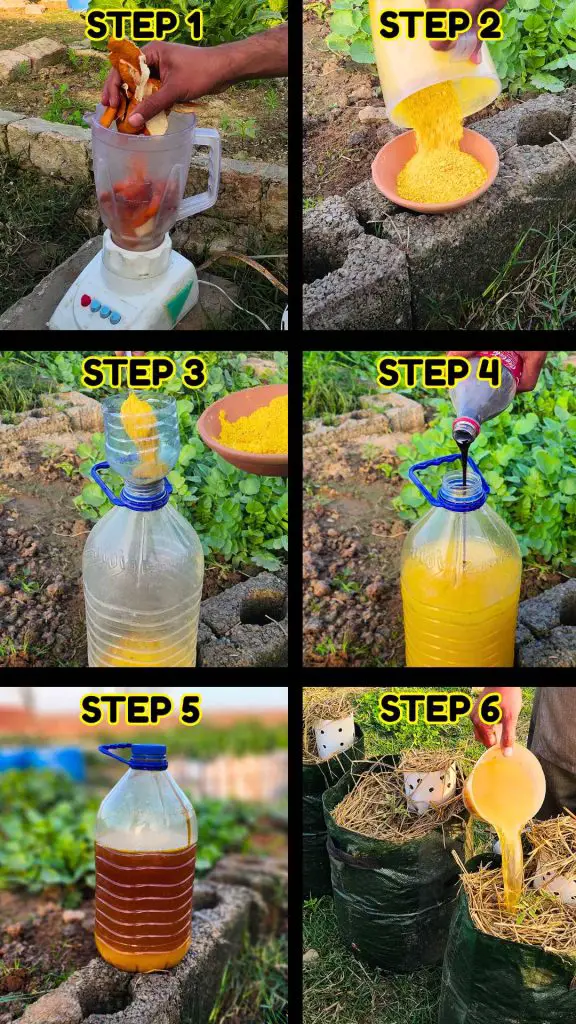
The first step in making this bio enzyme is collecting orange peels. Fresh peels are soft and contain a lot of moisture, which can slow down the fermentation process. That is why drying them in the sun is an important step. Spread the peels out in a thin layer under direct sunlight and let them dry for several days. Make sure they are turned occasionally so they dry evenly.
When the peels become completely dry and crunchy, they are ready to be used. You should be able to snap them easily with your fingers. Drying helps concentrate the natural sugars and oils in the peels, and it also prevents unwanted mold during fermentation.
Once dried, grind the peels into a coarse powder using a blender or grinder. The smaller pieces allow the fermentation process to work faster because more surface area is exposed to the microbes that will break everything down.
Setting Up the Fermentation Mixture
After preparing the orange peel powder, the next step is to set up the fermentation mixture. Choose a strong bottle or container that has enough capacity and can safely hold the mixture as it ferments. Glass or thick plastic containers both work well.
Add the orange peel powder into the container first. Then pour clean water into it until the container is about half full. It is very important not to fill the container completely because fermentation produces gases, and space is needed at the top to prevent pressure buildup.
Next comes molasses. Add a few tablespoons of molasses into the water and mix everything thoroughly. Molasses acts as food for beneficial microbes, helping them grow and multiply quickly. These microbes are responsible for breaking down the orange peel powder and turning it into a nutrient-rich enzyme solution.
Once everything is mixed, close the container with a lid. The lid should not be completely airtight. It should either have a small hole or be slightly loose so gases can escape slowly. This step keeps the fermentation safe and controlled.
Understanding the Fermentation Process
Fermentation is a natural process where microorganisms break down organic matter into simpler forms. In this case, the microbes feed on the sugars from the molasses and the compounds in the orange peels. As they do this, they produce enzymes, organic acids, and beneficial compounds that are helpful for plant growth.
During the first few days, you may notice bubbles forming inside the container. This is a sign that the fermentation is active and healthy. You may also notice a change in smell, from a sweet citrus scent to a slightly sour and tangy aroma. This is completely normal.
Over time, the mixture becomes richer and more balanced. The longer it ferments, the more complete the breakdown of materials becomes. This is why leaving the mixture for weeks is beneficial. It allows the microbes to fully process the ingredients and create a stronger and more effective final product.
Why Leaving the Mixture for Weeks Improves Quality
Patience plays an important role in this process. When the mixture is left to ferment for a longer period, more complex compounds in the orange peels are converted into simple nutrients that plants can easily absorb. Enzymes become more concentrated, and the solution becomes more stable.
A longer fermentation also encourages a more diverse group of beneficial microbes to develop. These microbes continue to improve the soil environment when applied, helping plant roots absorb nutrients more efficiently.
If the mixture is used too early, it may not be fully developed and could be too harsh for plants. By giving it enough time, the final liquid becomes gentler, safer, and more effective.
Managing Gas Build-Up Safely
As fermentation progresses, gases like carbon dioxide are naturally produced. This is why leaving space at the top of the container is so important. Without this space, pressure can build up and cause the container to expand or even burst.
To manage this safely, make sure your lid allows gas to escape. Some gardeners open the lid slightly every few days to release built-up gas. Others use lids with small holes or simple air vents.
When opening the container, do it slowly and carefully to avoid sudden release of pressure. This small precaution keeps the process safe and smooth.
Checking the Mixture After Two Weeks
After about two weeks, the bio enzyme mixture is usually ready for use. At this stage, the liquid will have a darker color and a mild sour citrus smell. The texture will be more uniform, and most of the powder will have broken down.
If you want an even stronger solution, you can leave it for a few more weeks. However, two weeks is a good starting point for a balanced and effective enzyme solution.
Before using it, strain the liquid if you want a smoother spray solution. This step removes any leftover solid particles and makes it easier to use in a spray bottle.
Diluting the Bio Enzyme Before Use
The concentrated enzyme solution is strong and should always be diluted before applying it to plants. Dilution makes it safe and gentle while still providing all the benefits.
For spraying on leaves, mix one part enzyme with around twenty parts water. For soil application, you can dilute it even more, using one part enzyme with fifty to one hundred parts water.
Always start with a weaker dilution and observe how your plants respond. Different plants may react differently, so it is good practice to test on a small area first.
Applying the Bio Enzyme to Your Plants
There are two main ways to use this bio enzyme in the garden. The first method is soil application. Pour the diluted solution around the base of your plants so it reaches the root zone. This helps improve soil health, supports beneficial microbes, and provides nutrients to the plant roots.
The second method is foliar spraying. Spray the diluted liquid directly onto plant leaves. This allows nutrients to be absorbed through the leaf surface and also helps deter mild pests. Always spray during early morning or late evening to avoid strong sunlight that could stress the leaves.
Regular application every few weeks can lead to stronger plant growth and improved plant health over time.
Benefits for Soil and Plant Health
Using this bio enzyme regularly improves the overall condition of your soil. The beneficial microbes help break down organic matter and release nutrients that plants can use. This leads to better soil structure, improved water retention, and stronger root development.
Plants treated with this solution often show greener leaves, stronger stems, and better resistance to stress. The natural citrus compounds can also help reduce minor pest problems, making your garden healthier without the need for harsh chemicals.