
Growing tomatoes can be a very rewarding experience, but many gardeners face problems with weak plants, slow growth, and poor harvests. The secret to strong, healthy tomato plants starts with proper planting techniques that encourage root development and prevent transplant shock. By following the right steps, your tomato plants can grow faster, develop a bigger root system, and produce more juicy fruits.
Preparing the Garden Bed
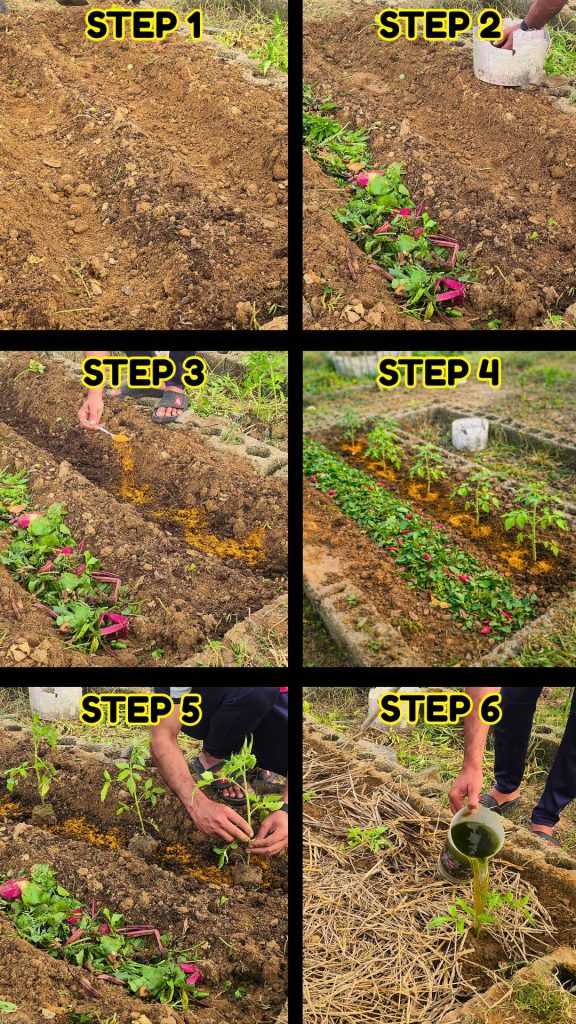
Before planting tomatoes, it is important to prepare your garden bed carefully. Start by creating two trenches in the soil. One trench is meant for organic waste such as vegetable peels, old leaves, and plant trimmings. The second trench will be used for planting the tomato plants themselves. This method helps the soil become fertile, supports healthy root growth, and ensures the plants receive nutrients gradually over time.
Using Organic Waste for Soil Fertility
The trench dedicated to organic waste plays a crucial role in creating rich, healthy soil. By adding garden waste and kitchen scraps, you allow the materials to decompose naturally. Over time, this process creates humus, which softens the soil, improves its water retention, and slowly releases nutrients. These nutrients feed nearby tomato plants naturally, reducing the need for chemical fertilizers and creating a thriving soil ecosystem.
Adding Compost for Nutrient Support
In the trench where you will plant tomatoes, start with a layer of compost at the bottom. Compost is packed with beneficial microbes and essential nutrients, acting as a natural fertilizer for young plants. It promotes strong root development, improves soil structure, and provides a nutrient-rich environment that encourages fast and healthy growth from the beginning.
Using Turmeric for Plant Protection
Sprinkling turmeric powder over the compost layer is a small but very effective step. Turmeric has natural antifungal and antibacterial properties, which protect young tomato roots from soil-borne diseases. Additionally, turmeric encourages the growth of beneficial microbes, creating an ideal environment for roots to develop. This simple addition can prevent common problems and make tomato plants more resilient.
Planting Tomatoes Flat
Instead of planting tomato plants upright, lay them flat on the compost-turmeric layer and bury about 60 to 70 percent of the stem. Tomatoes have a unique ability to grow roots along buried stems, which dramatically increases the size of the root system. A larger root system allows the plant to absorb more water and nutrients, making it stronger and more productive. This technique also reduces transplant shock, helping the plant start growing immediately without struggling to establish itself.
Covering the Plants Properly
After laying the tomato plants flat, gently cover them with soil, leaving only the top few leaves visible above the surface. The buried stems will soon start producing roots, anchoring the plant securely in the soil. Covering the trench with soil over the kitchen and garden waste also helps trap moisture and speeds up the decomposition process, releasing nutrients slowly into the soil.
Applying Mulch for Soil Protection
A layer of mulch on top of the soil is essential for young tomato plants. Mulch keeps the soil moist, maintains a stable temperature, prevents weeds, and protects roots from excessive heat. This is especially important under strong sunlight, as it prevents the soil from drying out and ensures the tomato plants remain healthy during critical early stages of growth.
Watering with Compost Tea
Watering young tomato plants with compost tea provides additional nutrients and beneficial microbes. Compost tea is gentle yet nourishing, helping the soil stay alive and supporting faster, healthier growth. It strengthens the plants without introducing harmful chemicals and encourages strong, productive roots that can absorb water and nutrients efficiently.
Building a Small Garden Ecosystem
This method of planting tomatoes is more than just a technique—it creates a small ecosystem in your garden. Organic waste decomposes, enriching the soil. Compost and turmeric support root growth and plant health. Mulch maintains moisture and soil temperature, while compost tea provides ongoing nourishment. Together, these elements create an environment where tomato plants can thrive naturally and produce a bountiful harvest.
Reducing Transplant Shock
Transplant shock is a common problem for gardeners when moving tomato seedlings from pots to the ground. By planting tomatoes flat and burying most of the stem, you minimize transplant shock. The plant does not struggle to establish roots but immediately begins growing strong. This ensures faster growth, healthier leaves, and better fruit production compared to the traditional upright planting method.
Encouraging Bigger Root Systems
The key to productive tomato plants lies in their roots. The more extensive the root system, the more water and nutrients the plant can absorb. Burying the tomato stems encourages root formation along the length of the stem, creating a much stronger foundation. A strong root system also makes the plant resilient against harsh weather, heat, and wind, ensuring consistent growth throughout the season.
Benefits of Natural Fertilization
Using natural ingredients like compost, kitchen waste, and turmeric eliminates the need for chemical fertilizers. These natural inputs not only nourish the plant but also improve the soil structure and maintain soil health in the long term. Healthy soil produces healthier plants, which in turn produce more fruits, creating a sustainable and chemical-free gardening system.
Recent Posts
You don't need to buy a lot of compost or fertilizer to prepare a good garden bed. If you have leaves, kitchen scraps, and other plant waste, you can use them to improve your soil and feed future...
I had an old rice storage sack that I wasn't using anymore, so I decided to turn it into two small raised garden beds. I cut the sack in half, used some bamboo sticks to hold everything in place, and...