
Most people throw away expired bread without thinking twice. While bread is no longer safe to eat once it has spoiled, it can still be useful in the garden. Instead of adding it to the trash, you can recycle it into a simple homemade liquid fertilizer that helps support healthy soil and plant growth.
This method uses ingredients that are already found in many homes, making it an inexpensive way to reduce kitchen waste. Although it is not a replacement for a complete fertilizer or well-made compost, it can be used as a gentle plant tonic that supports beneficial soil life and provides small amounts of nutrients.
The process is easy, requires very little effort, and can be used for vegetables, flowers, herbs, and fruit trees.
How to Make Bread Liquid Fertilizer
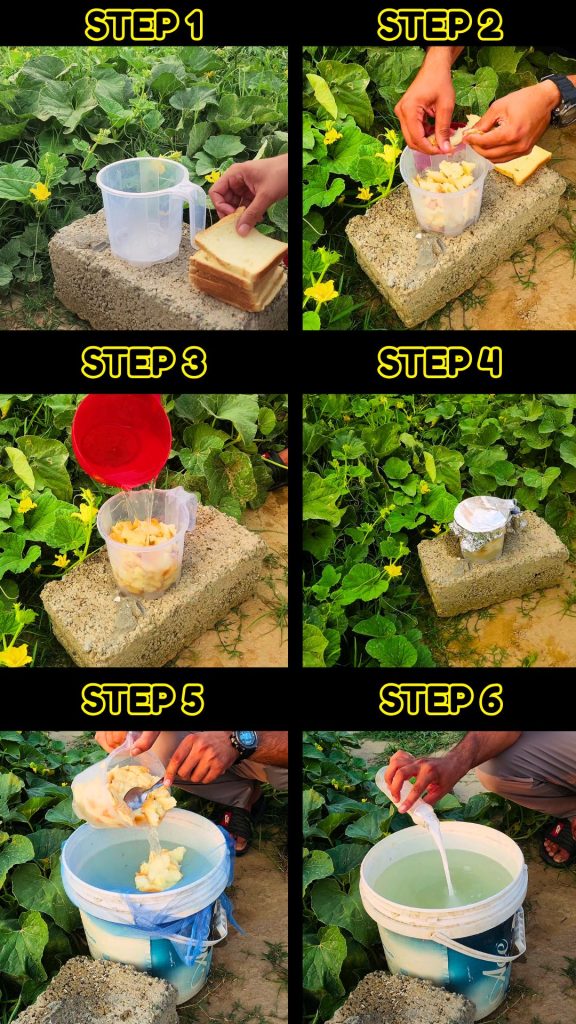
Start by tearing the expired bread into small pieces. Smaller pieces soften more quickly and release their nutrients into the water faster than large chunks.
Place the bread pieces into a container and add enough water to cover them completely. Cover the container with a lid and leave it for about 24 hours. During this time, the bread absorbs water and begins to break down. Some of its minerals and organic compounds dissolve into the water, creating a mild nutrient solution.
After 24 hours, strain the liquid into a larger container that has already been filled with water. Diluting the solution helps make it safer for regular garden use.
Do not throw away the leftover bread pieces. Add them to a compost pile or compost bin where they will continue breaking down into valuable organic matter that improves soil structure.
Once the bread water has been diluted, add about 100 milliliters of dairy milk. Finally, add a small amount of sugar. Both white sugar and brown sugar work well.
Stir everything thoroughly until the ingredients are mixed evenly. The fertilizer is then ready to use.
Why Bread Can Be Useful in the Garden
Bread is made from grains that naturally contain carbohydrates, proteins, and small amounts of minerals. During soaking, some of these materials move into the water.
Although bread itself is not a concentrated fertilizer, it provides organic matter that encourages microbial activity in the soil. Healthy soil contains billions of bacteria, fungi, and other tiny organisms that help break down organic materials into nutrients plants can absorb.
Instead of feeding the plants directly with large amounts of nutrients, bread mainly supports the living organisms that keep soil productive.
Recycling bread also reduces household food waste. Every loaf that finds a second use in the garden means less organic material ending up in landfills.
Why Milk Is Added
Milk contains calcium along with smaller amounts of potassium, phosphorus, magnesium, and proteins. Among these, calcium is one of the most valuable nutrients for plant growth.
Calcium strengthens plant cell walls, helping stems remain firm and supporting healthy root development. Crops such as tomatoes, peppers, eggplants, and cucumbers all require adequate calcium during their growing season.
Milk also provides proteins and natural sugars that serve as food for beneficial microorganisms already living in the soil. As these microorganisms grow, they help decompose organic matter more efficiently.
Only a small amount of milk is needed. Adding excessive amounts offers little extra benefit and may encourage unwanted odors as it breaks down.
Why Sugar Is Included
Many people assume sugar feeds plants, but that is not its main purpose.
Sugar serves as a quick energy source for beneficial bacteria and other microorganisms living in the soil. These microbes multiply more actively when food is available, helping speed up the natural breakdown of organic matter.
As organic materials decompose, nutrients become easier for plant roots to absorb. A healthy microbial population also contributes to better soil structure, improved moisture retention, and increased nutrient cycling.
Both white sugar and brown sugar can be used because their role is simply to provide a readily available source of energy for soil microbes.
Only a small amount is necessary. Using too much sugar is unnecessary and can upset the natural balance in the soil.
How to Apply the Fertilizer
This homemade fertilizer should be applied directly to the soil around the base of the plant instead of being sprayed onto the leaves.
Applying it near the roots allows beneficial microorganisms to use the organic materials where they are most effective.
Early morning and late evening are usually the best times to water plants because cooler temperatures reduce evaporation and allow moisture to soak deeper into the soil.
This fertilizer works well for vegetable gardens, flower beds, herbs, shrubs, and fruit trees. It can also be used for potted plants, provided it is applied in moderate amounts.
For most home gardens, using this mixture once every two to four weeks is enough.
Plants That Can Benefit
Many common garden plants can benefit from this homemade fertilizer.
Tomatoes, peppers, cucumbers, eggplants, beans, chilies, okra, squash, pumpkins, melons, and leafy vegetables can all make use of improved soil biology.
Flowering plants such as roses, marigolds, hibiscus, petunias, and zinnias may also benefit from healthier soil and increased microbial activity.
Fruit trees including citrus, mango, guava, pomegranate, peach, and apple trees can receive occasional applications around their root zone as part of an overall soil care routine.
This fertilizer is most effective when used together with compost, mulch, and proper watering practices.
Recent Posts
My Eggplants Were Covered in Weeds and Pests—These Simple Steps Brought Them Back to Life
Heavy rain can be a blessing for a vegetable garden, but it can also create new challenges. Eggplants respond well to moisture, yet the same conditions that encourage healthy growth also promote...
Summer is one of the toughest seasons for any garden. A few days of intense sunshine can dry out the soil, wilt healthy plants, and reduce the harvest from vegetable beds. Heat waves make the...