
Summer is one of the toughest seasons for any garden. A few days of intense sunshine can dry out the soil, wilt healthy plants, and reduce the harvest from vegetable beds. Heat waves make the situation even worse. Plants lose water through their leaves much faster than their roots can replace it, and if the soil dries out, they begin to suffer. Leaves may curl, flowers can drop before setting fruit, and vegetables often stop growing until temperatures become more comfortable.
While you cannot control the weather, you can reduce the damage that extreme heat causes. A few simple gardening practices help the soil stay cooler, reduce water loss, and give plants the support they need during stressful conditions. These methods are inexpensive, easy to apply, and suitable for vegetable gardens, fruit trees, flowering plants, and ornamental shrubs.
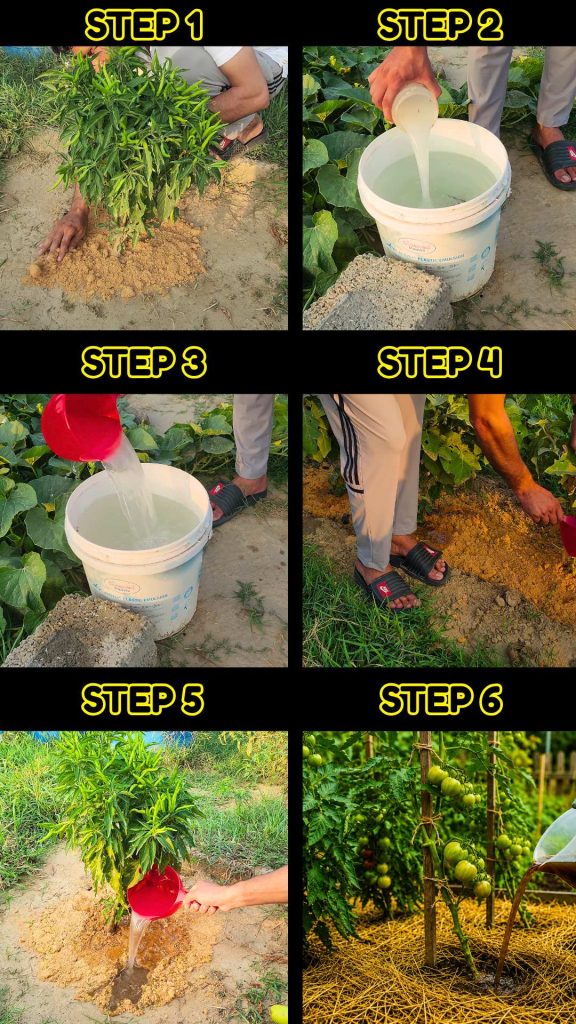
Cover the Soil with Mulch
One of the most effective ways to protect plants during hot weather is to cover the soil with mulch. Bare soil absorbs direct sunlight throughout the day, causing it to heat up quickly and lose moisture through evaporation. By placing a layer of mulch on top of the soil, you create a protective barrier that shields the ground from the sun.
Several materials work well as mulch. Straw is one of the most popular choices because it is lightweight, affordable, and breaks down slowly. Wood chips are another excellent option, especially around trees, shrubs, and long-term garden beds. Sawdust can also be used if applied in a thin layer and allowed to age naturally over time.
A mulch layer about two to four inches thick is usually enough. Spread it evenly around each plant while leaving a small gap around the stem or trunk. Keeping mulch away from direct contact with the stem reduces the chance of excess moisture causing rot.
The biggest advantage of mulch during a heat wave is moisture conservation. Without mulch, water evaporates rapidly from the soil surface, often within a day of watering. Mulch slows this process considerably, allowing the soil to stay moist for much longer.
Another important benefit is temperature control. During extremely hot afternoons, the upper layer of soil can become hot enough to stress delicate feeder roots. Mulch insulates the soil, helping maintain a cooler and more stable temperature throughout the day.
Mulch also reduces weed growth. Weeds compete with vegetables and fruit trees for water and nutrients. During dry weather, every litre of water matters. By suppressing weeds, mulch ensures that more moisture remains available for the plants you actually want to grow.
As organic mulch slowly decomposes, it also improves soil structure by adding organic matter. Healthy soil stores more moisture, drains better, and supports beneficial microorganisms that contribute to long-term plant health.
Use Rice Water as a Gentle Liquid Fertilizer
Many gardeners throw away the water used to wash rice without realizing it can be useful in the garden. Rice water is a simple homemade liquid fertilizer that provides mild nourishment and supports healthy soil biology.
Rice water contains small amounts of minerals along with natural starch. Although it is not a complete fertilizer, it can benefit the soil in several ways. The starch serves as food for beneficial microorganisms that naturally live around plant roots. As these microorganisms multiply, they help break down organic matter and make nutrients more available to plants.
Healthy soil biology becomes especially valuable during periods of extreme heat. Heat-stressed plants often struggle to absorb nutrients efficiently. A healthy population of soil microbes supports stronger root systems and improves the plant’s ability to cope with difficult growing conditions.
Rice water is particularly useful during summer because it is much gentler than strong chemical fertilizers. Applying large amounts of nitrogen during a heat wave can encourage rapid, soft growth. While this may seem beneficial, tender new leaves lose moisture quickly and are more likely to suffer heat damage.
A light application of rice water gives plants gentle support without forcing excessive growth. Fresh rice wash water should be used soon after it is collected rather than allowing it to ferment. Simply pour it around the base of the plants so it soaks into the root zone.
Rice water should not completely replace balanced fertilizers for crops with high nutrient demands, but it can be a valuable supplement during periods when plants need extra care without additional stress.
Water Plants Slowly with Drip Irrigation
Proper watering becomes even more important during hot weather. Many gardeners lose a significant amount of water simply because it evaporates before reaching the roots. Others apply too much water too quickly, causing runoff instead of deep soaking.
Drip irrigation solves both problems by delivering water slowly and directly to the root zone. Instead of wetting the entire soil surface, drip systems place moisture exactly where plants need it.
This slow delivery reduces evaporation, uses less water, and encourages roots to grow deeper into the soil. Plants with deep root systems are far more resistant to heat because they can reach moisture stored well below the surface.
Drip irrigation also helps prevent sudden swings between dry and waterlogged soil. Maintaining consistent moisture allows plants to continue growing without the repeated stress of drying out.
Commercial drip irrigation systems are available in many designs and can be installed in vegetable gardens, orchards, flower beds, and container gardens. Although the initial setup requires some investment, the long-term water savings often make it worthwhile.
Make a Simple DIY Drip Irrigation System
A homemade drip irrigation system can provide many of the same benefits as a commercial setup without costing much money. One of the easiest methods uses empty plastic bottles that would otherwise be discarded.
Wash the bottle thoroughly and make several tiny holes near the bottom using a heated nail or small drill bit. Fill the bottle with water and place it beside the plant, either upside down or partially buried with the holes below the soil surface.
Water slowly seeps through the small holes over several hours. Instead of flooding the soil all at once, moisture is released gradually, allowing it to soak deeply into the ground.
This simple method is particularly useful for tomatoes, peppers, cucumbers, eggplants, squash, and many flowering plants. Young fruit trees can also benefit from slow watering during their establishment period.
Plastic bottle irrigation is especially helpful for gardeners who cannot water several times a day. Filling the bottles in the morning provides plants with a steady supply of moisture even during the hottest part of the afternoon.
Using recycled bottles also reduces waste while providing an effective solution for conserving water.
Water at the Right Time
Even the best watering method becomes less effective if done at the wrong time of day. Watering during the middle of a hot afternoon results in rapid evaporation, meaning much of the water never reaches the roots.
Early morning is generally the best time to water. Temperatures are cooler, winds are usually lighter, and plants have time to absorb moisture before the day’s heat arrives.
If morning watering is not possible, late evening is another option. However, avoid leaving leaves wet overnight whenever possible, as prolonged moisture on foliage can encourage certain fungal diseases.
Deep watering every few days is generally better than light daily watering. Frequent shallow watering keeps roots near the soil surface, where temperatures are highest and moisture disappears quickly.
Recent Posts
This garden bed has been growing vegetables throughout the summer, and now the soil needs some attention before we plant the next crop. We also had very heavy monsoon rain, and water stayed on the...
How We Renew Old Potting Soil Without Buying New Soil Every Season
Buying new potting soil every season can get expensive, especially when you have a lot of containers in your garden. And honestly, changing all that soil is a lot of work. You have to empty every...