
Healthy soil is much more than a mixture of sand, silt, clay, and organic matter. It is a living ecosystem filled with bacteria, fungi, protozoa, nematodes, and many other microscopic organisms. These tiny forms of life work together to break down organic materials, recycle nutrients, improve soil structure, and create a healthier environment for plant roots.
Many gardeners focus only on adding fertilizers to supply nutrients. While nutrients are important, they are only part of the picture. Plants also depend on a healthy population of soil microorganisms that help convert nutrients into forms that roots can absorb. Without an active soil biology, even nutrient-rich soil may not perform as well as expected.
One simple way to support soil life is by adding homemade microbial solutions prepared from natural ingredients. Although these mixtures are not complete fertilizers, they can help encourage a more active microbial community in the garden.
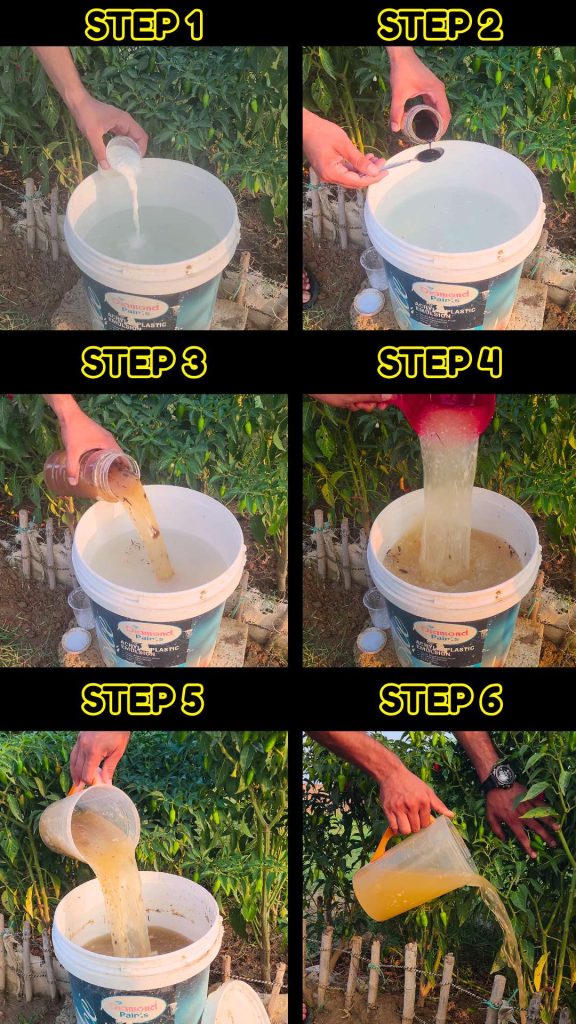
A Simple Homemade Microbial Solution
This homemade recipe combines three ingredients that each play a different role in supporting microbial activity. Plain dairy yogurt provides live lactic acid bacteria, molasses supplies sugars that serve as food for microorganisms, and compost tea introduces a diverse population of microbes already present in finished compost.
To prepare the solution, fill a clean bucket with 10 liters of water. Add about two cups of plain dairy yogurt and stir until it dissolves completely. Next, mix in one tablespoon of molasses until it is fully dissolved. Finally, add approximately one liter of compost tea that has been prepared from mature compost and stir everything thoroughly.
Cover the bucket with a loose-fitting lid or a clean cloth to keep out insects and debris while allowing limited airflow. Place the bucket in a cool, shaded location and leave it undisturbed for at least 24 hours.
What Happens During the First 24 Hours
Although nothing dramatic is visible from the outside, a great deal of biological activity begins inside the bucket.
The microorganisms from the yogurt and compost tea start feeding on the natural sugars supplied by the molasses. As they consume this food source, many bacteria become more active and some populations multiply. The exact microbial growth depends on factors such as temperature, oxygen availability, and the quality of the compost tea, but the solution becomes biologically active during this period.
Microorganisms also produce enzymes and other natural compounds as part of their normal life processes. These biological activities help create a living microbial solution rather than simply a bucket of water containing organic ingredients.
By the end of the fermentation period, the mixture contains an active community of beneficial microorganisms ready to be introduced into the soil.
Why Yogurt Is Used
Plain dairy yogurt is widely known for containing live cultures of lactic acid bacteria. These bacteria are commonly used in food fermentation and are also valued in many natural gardening methods.
When added to water, yogurt introduces these beneficial microorganisms into the solution. Combined with a suitable food source such as molasses, many of these bacteria become metabolically active.
It is important to use plain, unsweetened yogurt without added flavors or preservatives whenever possible. Extra sugars, artificial flavors, or preservatives are unnecessary and may influence the microbial activity of the mixture.
Although yogurt contributes beneficial bacteria, it should not be considered a substitute for good compost. Instead, it works alongside the microorganisms already introduced through compost tea.
The Role of Molasses
Molasses serves as an energy source for microorganisms. Rich in natural sugars and containing small amounts of minerals, it provides readily available food that helps support microbial activity.
Without an easily available carbon source, microorganisms have fewer resources for growth. By supplying molasses, the mixture encourages many bacteria to become active while they consume the available sugars.
Only a small amount is needed. Adding excessive molasses is unnecessary and may encourage unwanted microbial growth. About one tablespoon for every 10 liters of water is generally sufficient for this recipe.
Why Compost Tea Makes the Biggest Difference
Compost tea is the ingredient that introduces the greatest diversity of microorganisms.
Well-made compost naturally contains numerous beneficial bacteria, fungi, and other microscopic organisms that develop during the composting process. By extracting these organisms into water, compost tea allows them to be distributed throughout the garden.
The quality of the compost tea depends entirely on the compost used to make it. Finished compost should be fully decomposed, dark, crumbly, and have a pleasant earthy smell. Immature or poorly prepared compost may contain fewer beneficial organisms and is less suitable for making compost tea.
Using healthy compost increases the chances of introducing a balanced microbial community into the soil.
Benefits of Applying the Solution to Soil
After 24 hours, stir the solution well before use and apply it directly to the soil around plants.
The microorganisms move into the root zone, where they begin interacting with existing soil life. Many of these microbes help decompose organic matter, releasing nutrients gradually as natural decomposition continues.
Active microbial populations also contribute to nutrient cycling by helping convert organic materials into forms that plants can more easily absorb. Over time, this process supports healthier soil rather than simply supplying nutrients for a short period.
Because the solution works primarily by supporting soil biology, its benefits develop gradually instead of producing immediate changes.
Recent Posts
Banana peels are one of those kitchen scraps that are easy to throw away without thinking about them. But if you have a garden, you can put them to use instead of sending them to the trash. One...
Put Potatoes, Charcoal and Compost in a Bucket for 7 Days — You’ll Want to Try This on Your Plants
Healthy plants begin with healthy soil. When soil contains plenty of organic matter and active microbial life, plant roots have a better environment for taking up water and nutrients. You do not...