
A biweekly treatment is advised for container-grown plants. Various plants have various requirements; for instance, fertilizers high in potassium help tomatoes and peppers produce fruit. When modifying the timetable, take soil well-being and crop requirements into account as well as adhere to the fertilizer label’s directions.
A More Thorough, On a Monthly Basis Schedule Is Available Here:
Monthly Summary:
March–April, The Beginning Of Spring:
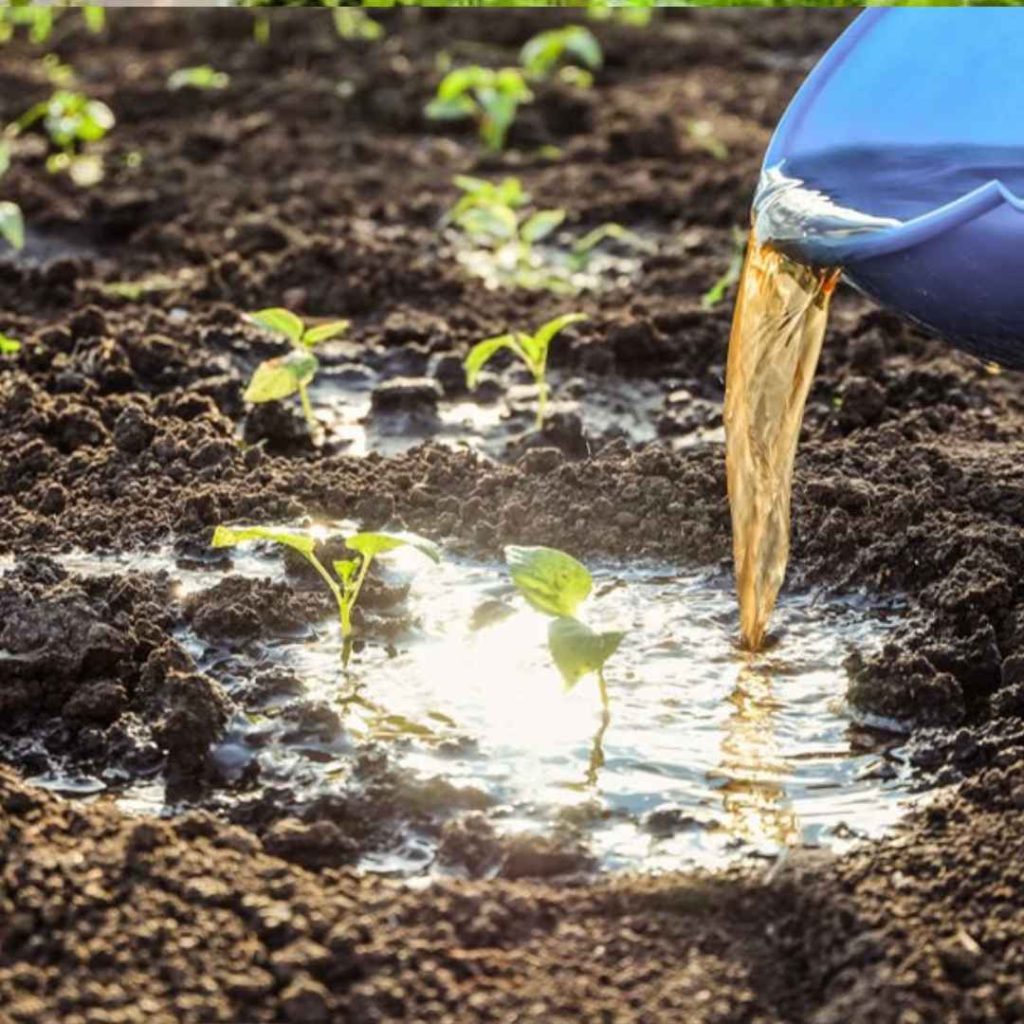
Getting Ready: Before growing, mix in composting and homemade fertilizer.
Young Seedlings: For young crops grown in peat-free organic matter, utilize a diluted fertilizing solution.
Mature Vegetables: Every two weeks, or more frequently depending on the development of the plants, sprinkle a well-balanced liquid fertilizer.
May To June, Late Spring/Early Summer:
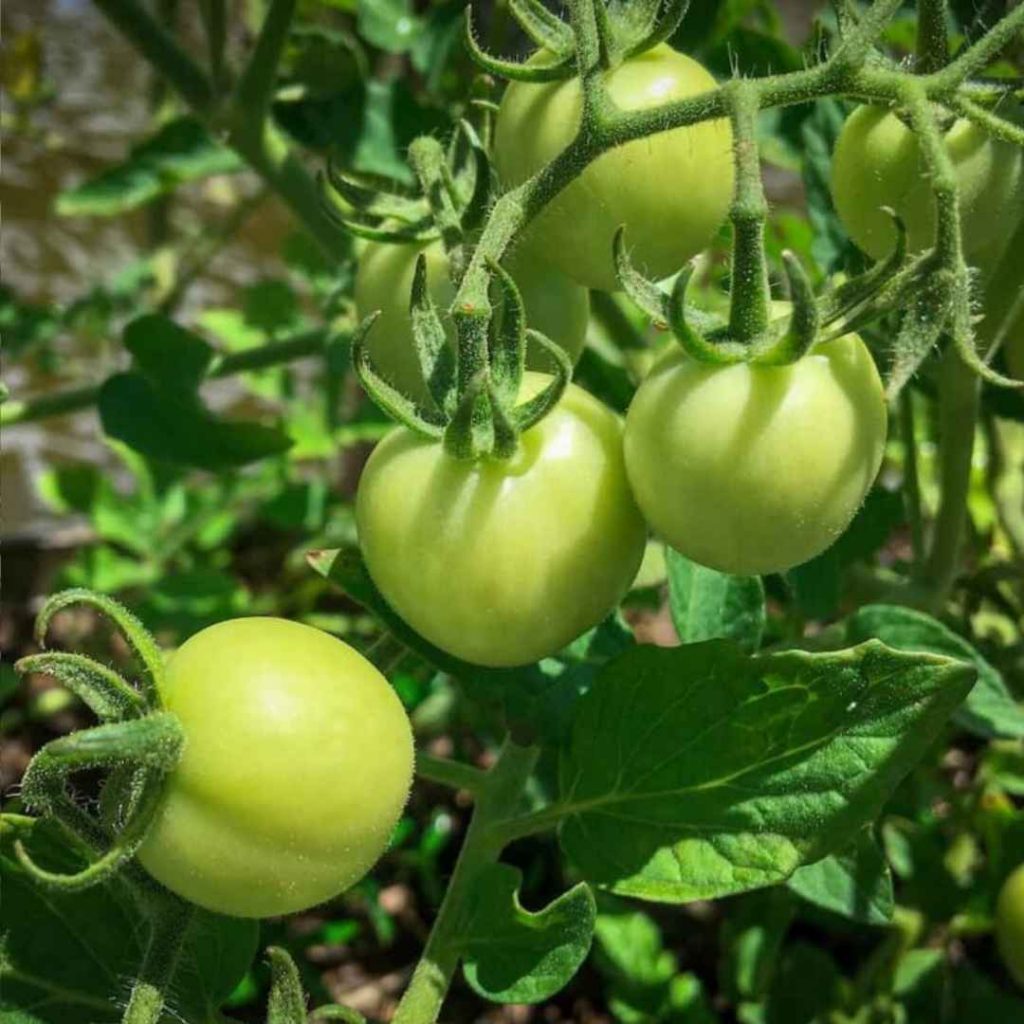
Fruiting Veggies: After the initial berry sets, treat peppers, tomatoes, eggplant, and various other ripening veggies with a potassium-rich fertilizer such as Wonderful Fruit & Bloom. The leafy vegetation
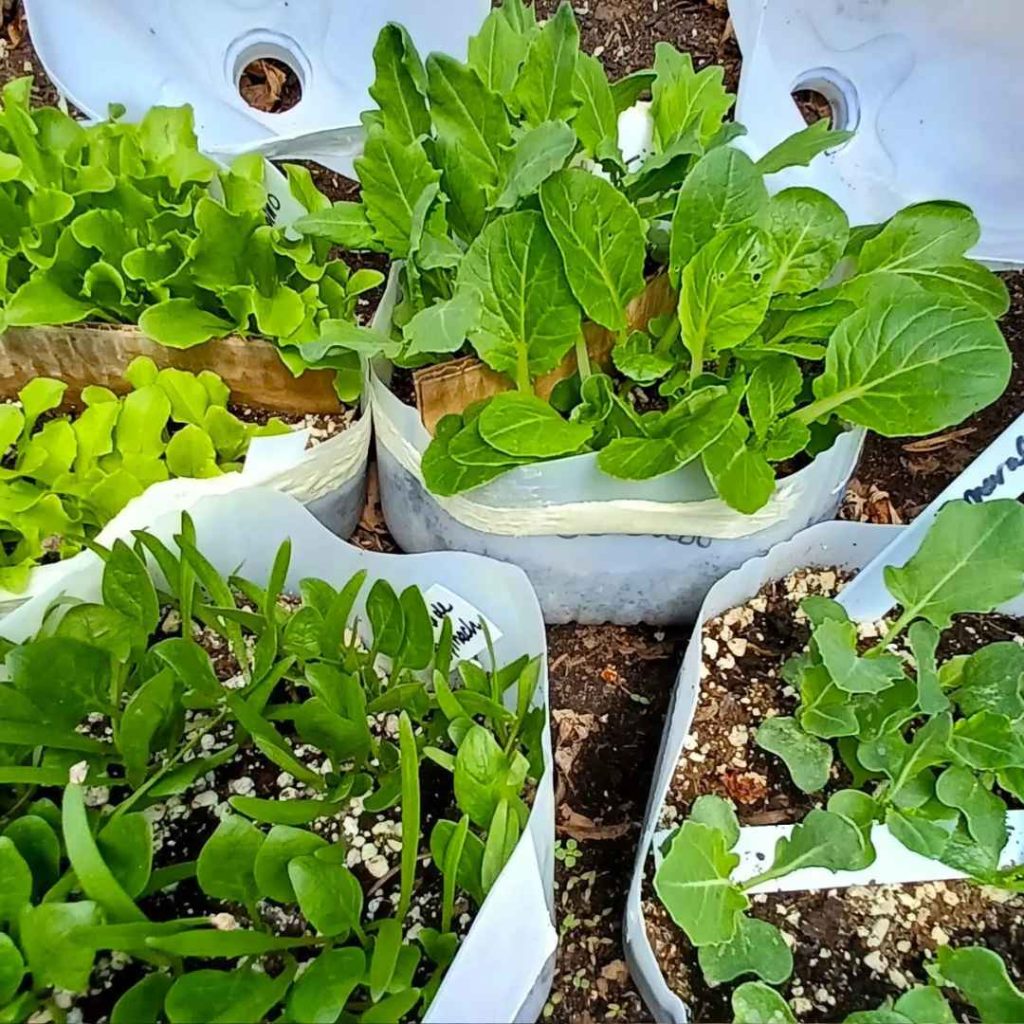
Greens: When they are approximately three percent matured, keep using appropriate fertilizer and think about applying a folio feeding containing fluid fertilizer to leafy vegetables like cabbage and chard.
Potted Plants: Use a half-strength solution for fertilizing container-grown plants after two weeks.
Summertime (July–August):
Continuous Feeding: Since ripening vegetables are continually manufactured, keep fertilizing them on an ongoing schedule.
Modifications: Take note of the development of the plants and modify fertilization according to their requirements.
Watering: To avoid root burn, particularly when using artificial fertilizers, ensure that you water your plants enough both prior to and following fertilizing.
The Latter Part Of Summer Or Early Autumn (September–October):
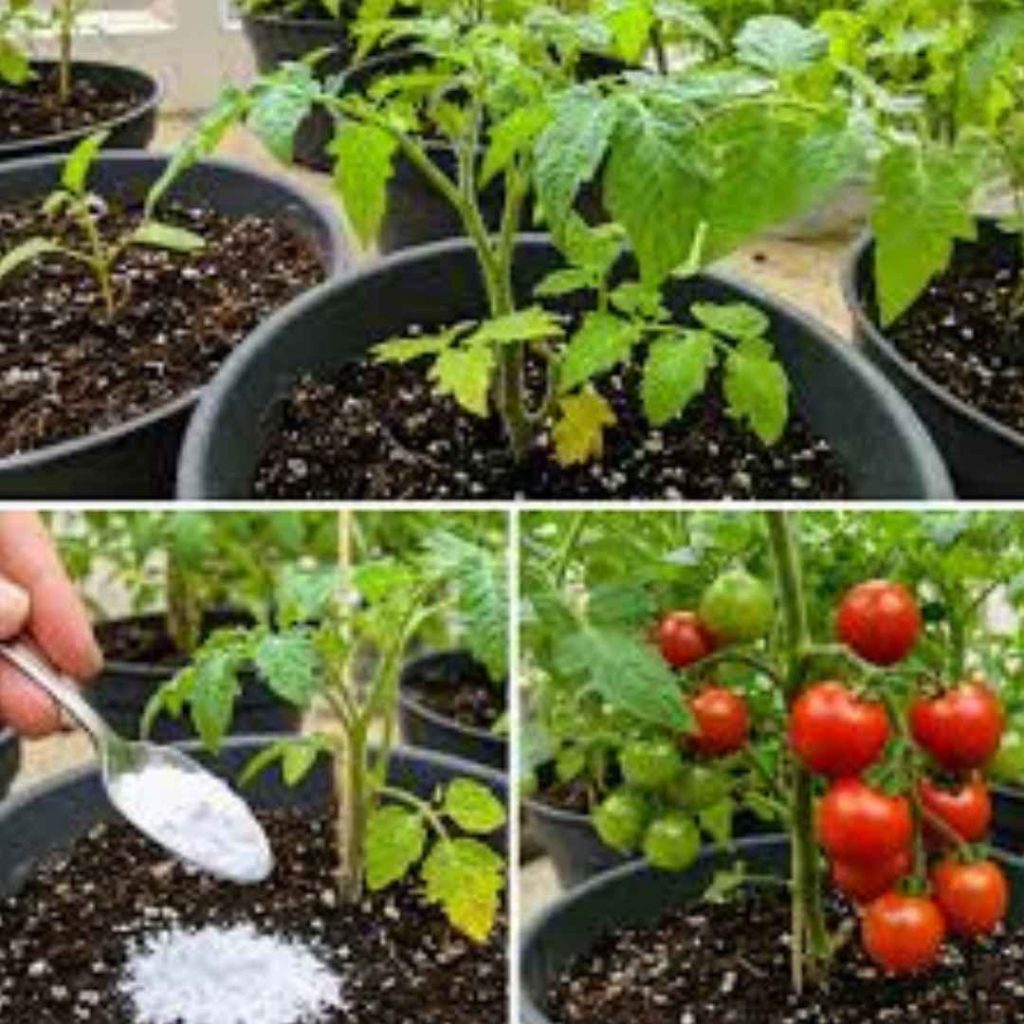
Fertilizer Reduction: Lower the quantity or regularity of fertilizer as the period of growth comes to an end.
Winter Preparation: For the upcoming growing period, think about incorporating biological material into the substrate.
Winter:
Little Fertilizing: If you have a growing space or any winter hibernation veggies, utilize an extremely diluted fertilizer solution.
Basic Advice:
Review Labels: Make sure you carefully understand the fertilizer label and abide by its directions.
Avoiding Overfertilizing: Crops may suffer from over fertilization. Think About Soil
Conditions: The nutrients needed for various plants vary. Track the Condition of the Plant: Check for deficiencies in your crops, such as discoloration or purple foliage, and modify your fertilizer correspondingly.
Grains Vs. Aqueous: Granular fertilizers might discharge minerals more slowly, but liquid fertilizers offer greater absorption rates.
Artificial Vs. Natural: artificial fertilizers may damage soil existence, whilst natural ones nourish it.
Analyze Your Topsoil: To identify certain nutritional imbalances, think about evaluating your soil.
How And When Do You Fertilize?
To stimulate new development, the majority of plants benefit from an initial springtime treatment of a gradual granulated fertilizer. Certain plants, including succulents and native to the country, require minimal or no additional fertilizer.
A plant’s capacity to pass through nourishment can be impacted by variables like temperature, irrigation, humidity, pH, and the nature of the soil. These are only broad recommendations; certain plants may require distinct treatment.
Recent Posts
You don't need to buy a lot of compost or fertilizer to prepare a good garden bed. If you have leaves, kitchen scraps, and other plant waste, you can use them to improve your soil and feed future...
I had an old rice storage sack that I wasn't using anymore, so I decided to turn it into two small raised garden beds. I cut the sack in half, used some bamboo sticks to hold everything in place, and...