
Reduce the amount of effort invested excavating, pruning, and fertilizing your garden in springtime by using these horticultural techniques and methods. Being a wise farmer is more important than being an inefficient gardener! This is a thorough reference on beginner-friendly time-saving spring farming tips:
I. Organizing and Getting Ready:
1. Start Little: To prevent being overburdened, start with an outdoor space that is reasonable in scale.
2. Pick Straightforward-To-Grow Crops: Pick low-maintenance crops that are easiest for beginners to cultivate, like medicinal plants, tomato products, and squash.
3. Make a Planting Timetable: To keep arranged, list all of your horticultural chores and put them on a piece of paper.
II. Effective Planting Methods:
1. Take Advantage Of a Horticultural Software: To recognize vegetation, monitor your development, and obtain horticultural guidance, use farming applications such as Landscape Planner Professional or Horticultural Education.
2. Use a “A Region Planting” System: To make upkeep easier, split your vegetable patch into regions according to substrate category, daylight requirements, and irrigation requirements.
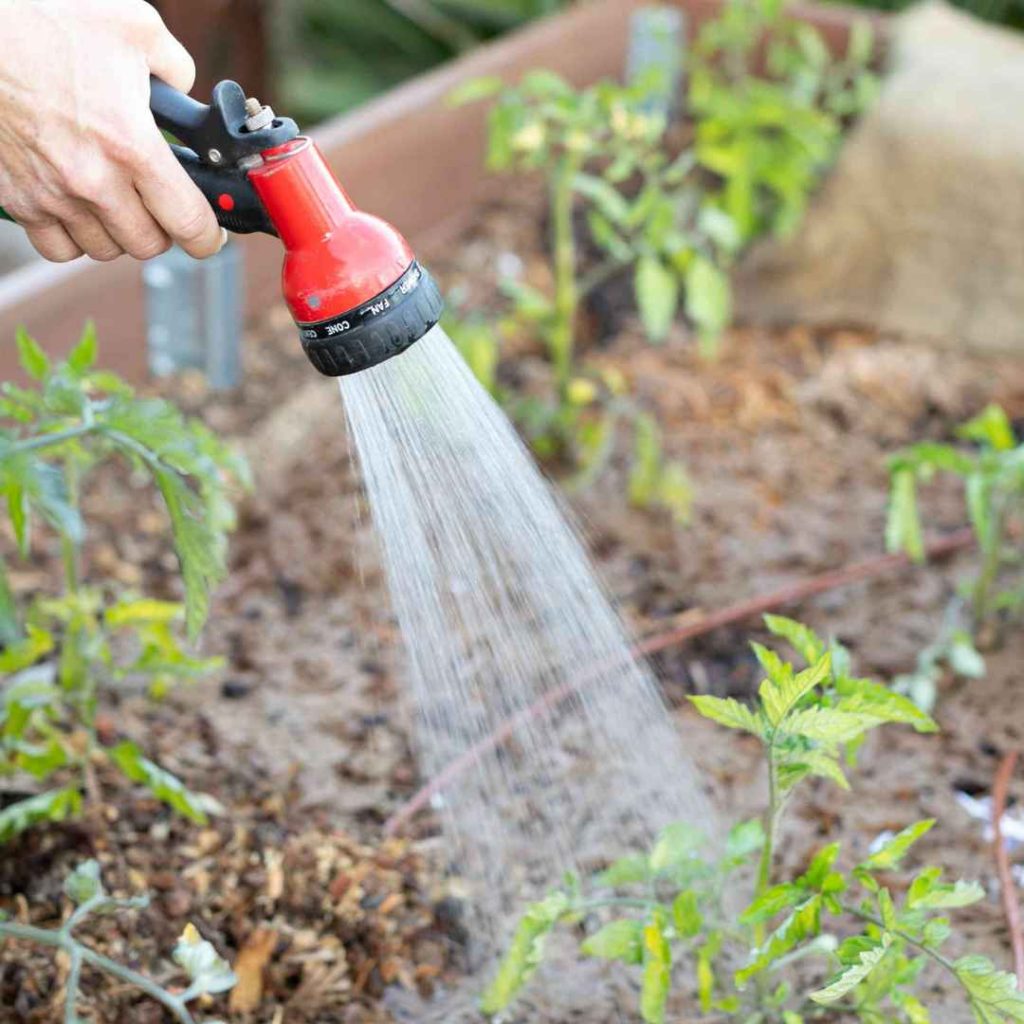
3. Employ a Drip Watering Network: To cut down on dissipation and drainage, construct a drip watering network to supply fluids straight to plant bases.
III. Time-Saving Equipment for Landscaping:
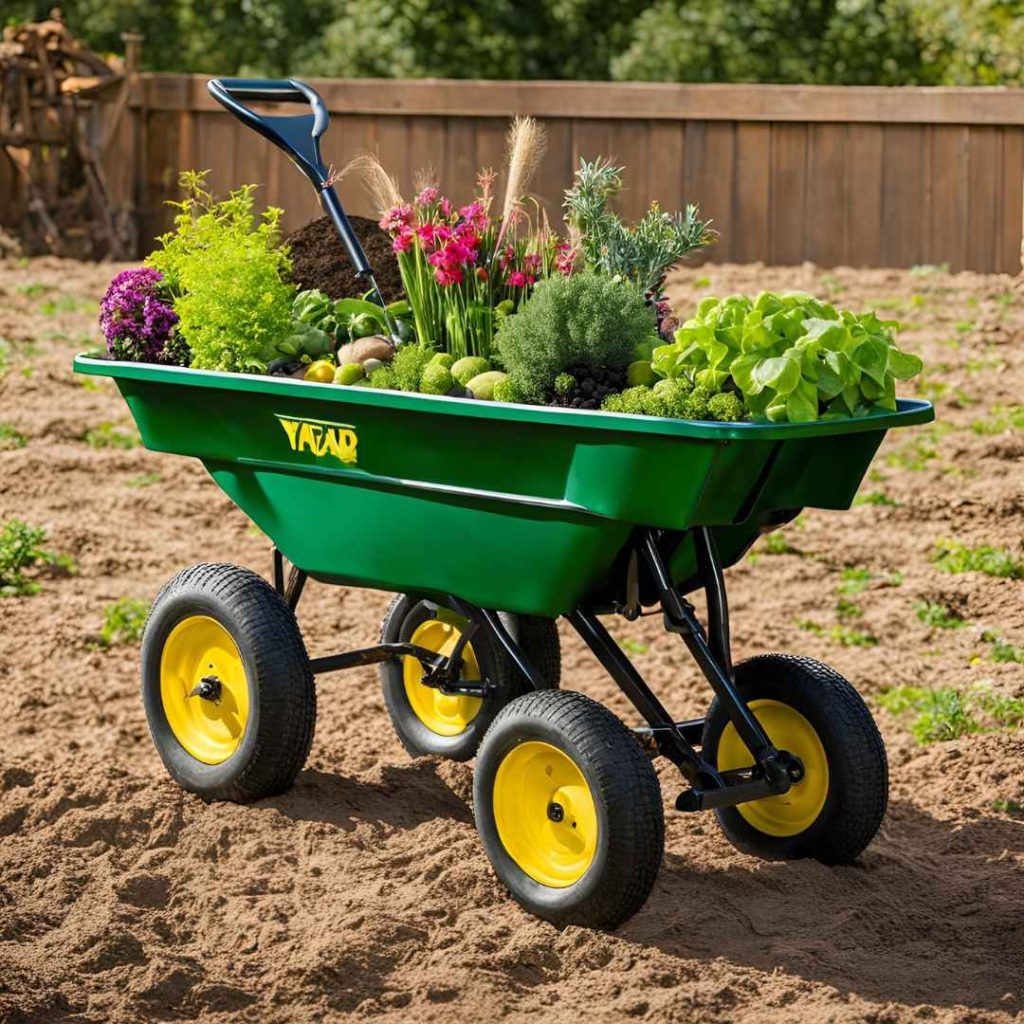
1. Put Money In a High-Quality Gardening Wagon Or Bucket: You may move bulky amounts of dirt, vegetation, and planting materials with the aid of a robust yard wagon or wagon.
2. Make Usage Of A Farming Multi-Tool: A horticultural multi-tool can make it easier for anyone to carry out a variety of chores, such as growing, trimming, and shearing.
3. Make Use Of a Dirt Razor Or Gardening Spike: You may plant bulbous plants, clear invasive plants, and soften ground more rapidly and effectively by using an earthen blade or gardening spike.
IV. Clever Landscaping Techniques:
1. Employ Associated Setting: To enhance development, lower diseases, and boost harvests, grow complimentary veggies, flowers, and medicinal plants alongside.
2. Put In Place A “Agriculture Changing” System: To preserve the integrity of the soil, lower insect and ailment populations, and boost productivity, cycle your agricultural produce periodically.
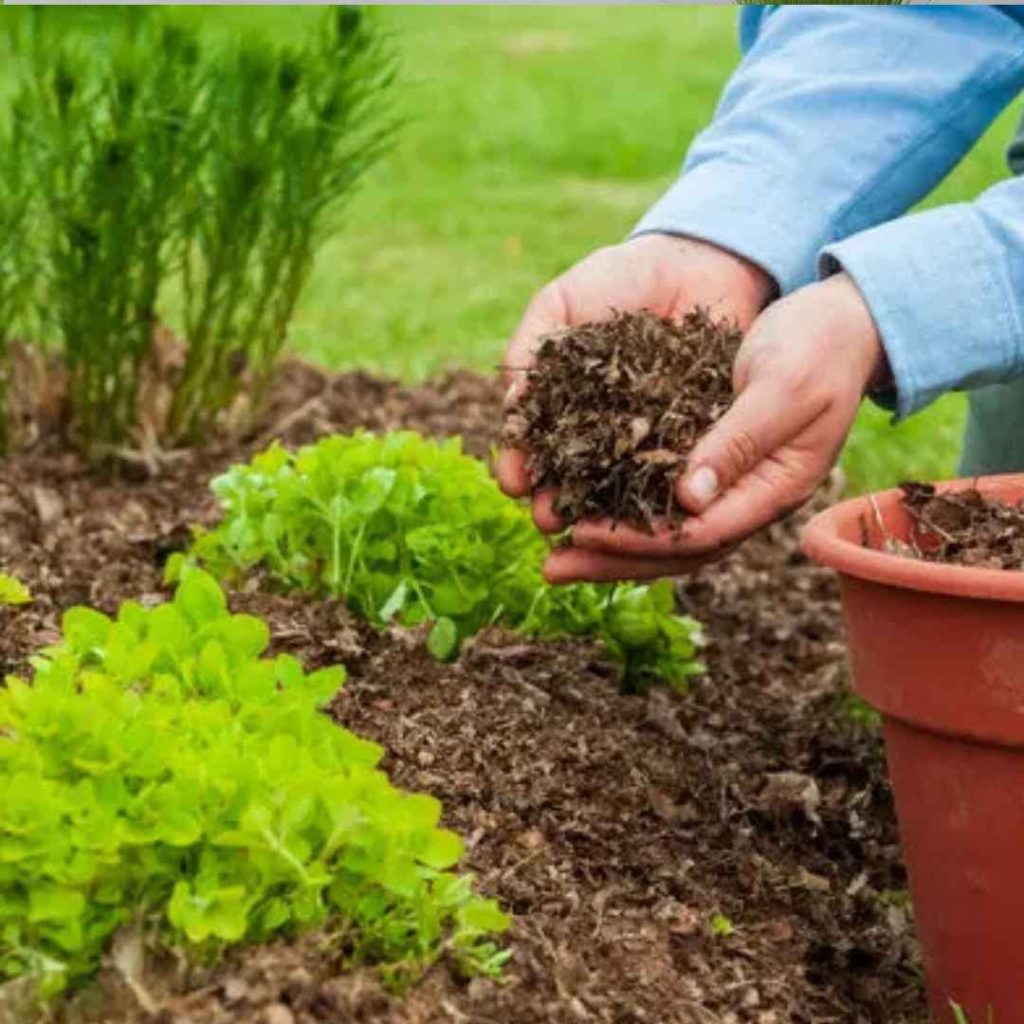
3. Apply Organic Mulching: To control the temperature of the ground, inhibit the proliferation of weevils, and conserve humidity, spread a natural mulch coating.
V. Do It Yourself Landscaping Initiatives:
1. Construct A Scaffolding Or Canopy: For backing ascending vegetation like tomato products, lentils, and legumes, construct a pergola structure or canopy.
2. Build A Self-Irrigating Container: With an acrylic vessel, some pipes, and several simple supplies, build a self-irrigating container.
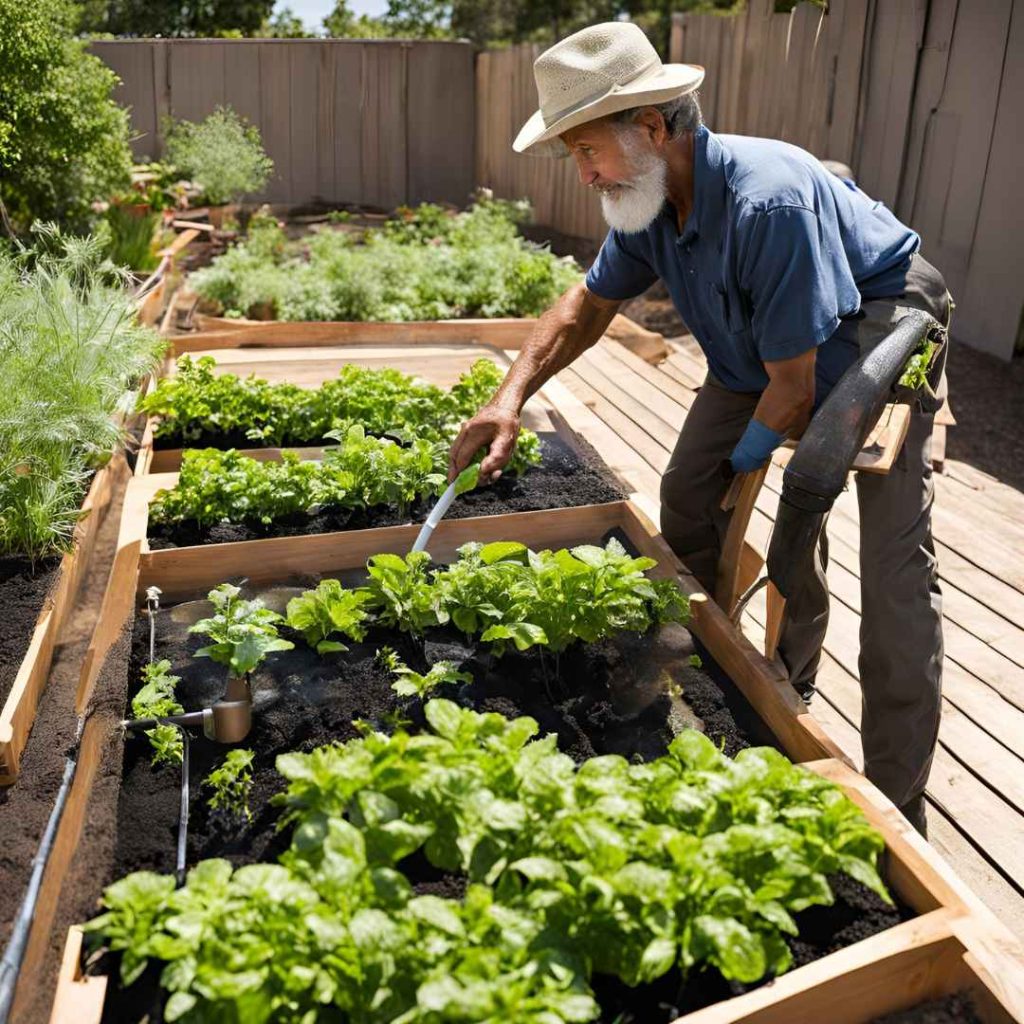
3. Create An Elevated Bed: To enhance water flow, lessen compacted substrate , and boost productivity, create an elevated garden bed out of lumber, rock, or synthetic supplies.
VI. Strategies For Tropical Landscaping:
1. Begin Bulbs Within: Four to six weeks prior to the latest snowfall time, start sprouts of summer-season vegetables such as eggplants, tomato products, and jalapenos inside.
2. Strengthen Off Sprouts: To avoid astonishment adapt sprouts to external environments progressively throughout a period of seven to ten days.
3. Utilize a Pr – Emergent Pesticide: To stop weevils from sprouting and out-competing your intended vegetation, utilize a pr- emergent pesticide.
Vii. Treatment Of Diseases And Pests:
1. Employ Neem Oil: To manage parasites such as spider- mites, aphid species and whiteflies, sprinkle neem oil.
2. Spraying Scrubs: Aphids, caterpillars, and spiderweb mites are examples of delicate-bodied parasites that can be managed using insect repellent soap.
3. Maintain Proper Cleanliness: To avoid the propagation of parasites and illnesses, get rid of invasive plants, trash, and diseased vegetation.

Viii. In Finalization:
You may get beyond the planting period, lessen your effort, and have a more fruitful and satisfying planting adventure by putting these useful springtime horticultural tips into practice.
Keep in mind that landscaping is a process rather than a final goal. Avoid becoming scared of committing errors since they are a chance to grow and experience. Have fun with your farming!
IX. Extra Advice:
1. Maintain a Horticultural Magazine: To improve your vegetable-growing approach, document your yield, environmental trends, and your advancement.
2. Joining a Horticultural Society: To exchange information, supplies, and encouragement, get in touch with other farmers face to face or digitally.
3. Appreciate The Journey And Have Pauses: Because landscaping can be exhausting, make sure you’re taking vacations and savor the results of your hard work!
Recent Posts
This garden bed has been growing vegetables throughout the summer, and now the soil needs some attention before we plant the next crop. We also had very heavy monsoon rain, and water stayed on the...
How We Renew Old Potting Soil Without Buying New Soil Every Season
Buying new potting soil every season can get expensive, especially when you have a lot of containers in your garden. And honestly, changing all that soil is a lot of work. You have to empty every...