
Yellowing leaves on cucumber plants are usually a sign that something in the growing conditions is not right. Cucumbers are fast-growing and sensitive plants, so even a small imbalance in water, soil, or nutrients can show up quickly in the leaves.
One of the most common reasons is stress in the root zone. When roots are not working properly, the plant cannot take up enough food and water, and the leaves begin to lose their healthy green color. This often starts with older leaves turning pale or yellow first, then slowly spreads if the problem is not corrected.
Another major reason is lack of nutrients in the soil. Cucumbers need a steady supply of plant food because they grow fast and produce a lot of vines and fruits. If the soil becomes weak, the plant starts showing clear signs through its leaves. Pests can also play a role. Small insects that feed on plant sap weaken the plant over time, which leads to discoloration and poor growth.
In most cases, yellow leaves are not caused by a single issue. It is often a mix of soil condition, feeding, and plant stress. That is why fixing the problem usually requires looking at more than one factor.
Soil Drainage and Root Health Problems
Soil condition plays a major role in the health of cucumber plants. If the soil is too hard or compacted, water cannot move freely and air cannot reach the roots. When this happens, roots become weak and struggle to function properly.
On the other hand, if the soil holds too much water, it becomes waterlogged. This is even more dangerous because roots need oxygen to survive. Without oxygen, they begin to rot slowly. Once root damage starts, the plant cannot absorb nutrients properly, and yellow leaves begin to appear.
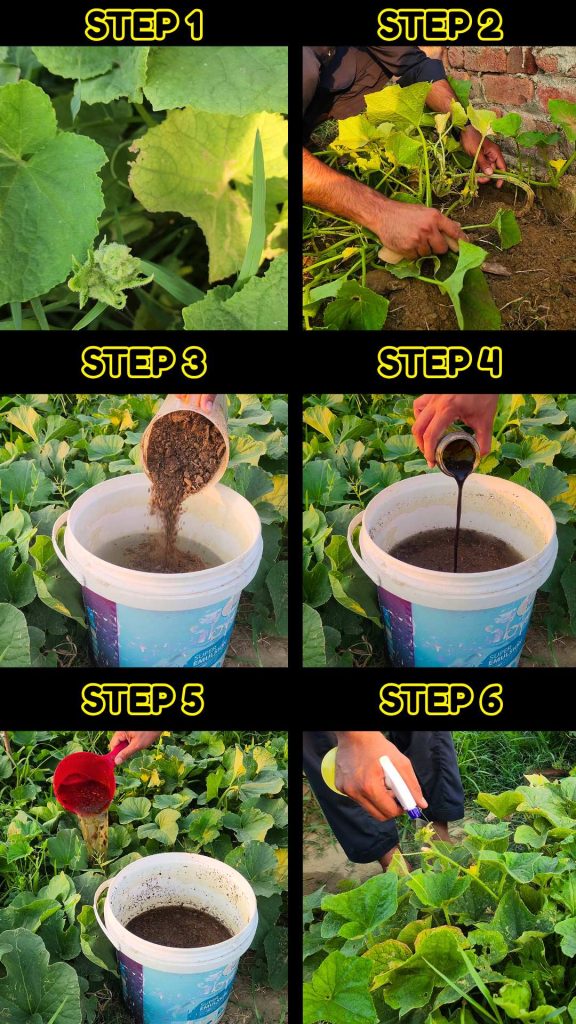
A simple way to fix this is by loosening the top layer of soil around the plant. Lightly till or break the surface crust so that air and water can move more easily. This does not mean digging deep. Cucumber roots are shallow and can be damaged easily, so only the top few inches should be worked on carefully.
Improving drainage is also important in heavy soils like clay. Adding organic matter such as compost helps make the soil lighter and more balanced. It allows water to drain properly while still holding enough moisture for the plant.
When the root zone improves, plants often respond quickly. Leaves may not turn fully green again, but new growth usually comes out much healthier and stronger.
Nutrient Deficiency and Natural Feeding Solutions
Cucumbers need a good balance of nutrients to stay healthy. The most important ones are nitrogen, phosphorus, and potassium. Each one plays a different role in plant growth.
Nitrogen is responsible for leafy growth and green color. When there is a lack of nitrogen, older leaves start turning yellow first. The plant may also look weak and slow in growth. Phosphorus helps with root development and overall strength, while potassium supports fruit formation and plant resistance against stress.
When the soil is low in these nutrients, cucumbers quickly show signs through their leaves. The growth becomes uneven, and the plant may produce fewer fruits.
One simple way to improve soil nutrition is by using compost mixed with molasses in water. Compost provides a natural source of plant nutrients, while molasses feeds beneficial microbes in the soil. These microbes help break down organic matter and release nutrients in a form that plants can absorb more easily.
To prepare this mixture, well-rotted compost is added to water and stirred well. A small amount of molasses is mixed in, and the solution is left to sit for a few hours. This allows the nutrients to blend properly. The liquid can then be applied around the base of the plant.
Over time, this improves soil life and helps the plant recover from nutrient stress. It also encourages stronger root growth, which leads to healthier leaves and better fruit production.
Pest Attacks and Natural Protection Methods
Pests are another common reason for yellow cucumber leaves. Small insects such as aphids, whiteflies, and spider mites feed on plant sap. When they suck nutrients from the leaves, the plant becomes weak and starts showing yellow spots or patchy discoloration.
These pests usually hide on the underside of leaves, making them hard to notice at first. If the infestation continues, leaves may curl, dry out, or fall off prematurely.
A simple and effective way to control these pests is by using neem oil spray. Neem oil is a natural plant-based solution that helps disrupt the feeding and breeding cycle of many common garden insects.
To make the spray, neem oil is mixed with lukewarm water and stirred well. This mixture is then sprayed directly on the leaves, especially underneath where pests tend to hide. It is best to apply it in the early morning or evening to avoid strong sunlight, which can sometimes stress the leaves.
Regular application helps reduce pest populations and prevents further damage. It is not an instant cure, but with consistent use, it helps protect new growth and keeps the plant healthier in the long run.
Recent Posts
My Eggplants Were Covered in Weeds and Pests—These Simple Steps Brought Them Back to Life
Heavy rain can be a blessing for a vegetable garden, but it can also create new challenges. Eggplants respond well to moisture, yet the same conditions that encourage healthy growth also promote...
Summer is one of the toughest seasons for any garden. A few days of intense sunshine can dry out the soil, wilt healthy plants, and reduce the harvest from vegetable beds. Heat waves make the...