
The search for the perfect garden amendment often leads people toward expensive, brightly colored synthetic bottles found on hardware store shelves. However, experienced growers and organic farmers have long known that some of the best nutrition for a garden doesn’t come from a laboratory, but from the byproduct of traditional oil pressing.
Mustard cake, the solid residue left behind after oil is extracted from mustard seeds, is an absolute powerhouse of nutrition. When processed correctly into a liquid form, it becomes a versatile, fast-acting, and incredibly effective solution for almost any plant in your collection.
The Nutritional Profile of Mustard Cake
To understand why mustard cake is so effective, you first have to look at what is inside it. Even after the oil is pressed out, the remaining dry cake is packed with a balanced ratio of macronutrients. It is a natural source of nitrogen, which is the primary driver of green, leafy growth. Without enough nitrogen, plants often look stunted, yellowish, and weak. Mustard cake provides this in a form that, once fermented, becomes readily available to the root system.
Beyond nitrogen, it contains significant amounts of phosphorus and potassium. Phosphorus is the key to strong root systems and the development of flowers and fruits. If you have ever wondered why some plants grow tall but never bloom, a lack of phosphorus is often the culprit. Potassium, on the other hand, acts like an immune system booster for the plant, helping it regulate water movement and resist disease.
What sets mustard cake apart from many other organic fertilizers is its sulfur content. Sulfur is a secondary macronutrient that is often missing from standard fertilizers, yet it is essential for the production of proteins and oils within the plant. In vegetables like onions, garlic, and even the mustard plant itself, sulfur is what creates those characteristic flavors and healthy compounds. When you add mustard cake to your soil, you are providing a full spectrum of minerals that synthetic options often ignore.
Why Liquid Fermentation is Superior
While you can technically grind mustard cake into a powder and mix it directly into the soil, the liquid fermentation method is widely considered the superior way to use it. When you apply dry mustard cake to the soil, it takes a long time to break down. If the weather is too dry, it might sit there for weeks without doing much. If the weather is too wet, it can sometimes develop mold on the surface of the soil before the plant can use it.
By creating a fermented liquid tea, you are essentially pre-digesting the nutrients for your plants. The process of soaking the cake in water for twenty-four hours allows the organic matter to soften and release its chemical bonds. This creates a solution where the nutrients are suspended in the water, allowing them to seep deep into the root zone the moment you pour it on the ground. This leads to a much faster visual response from the plant—often within just three to five days.
Furthermore, the liquid application ensures an even distribution. When you use solids, one side of the plant might get more than the other. With a liquid, the entire root ball is bathed in a uniform concentration of nutrients, ensuring balanced growth across the entire plant structure.
The Role of Brown Sugar in the Process
One of the most important steps in creating a high-quality mustard cake fertilizer is the addition of a simple carbohydrate, like brown sugar. This isn’t for the plants directly, but for the life inside the fertilizer. The world of organic gardening is actually a world of microbiology. For nutrients to be absorbed by a plant, they usually need to be processed by beneficial bacteria and fungi in the soil.
When you add brown sugar to your bucket of mustard cake and water, you are providing an immediate “energy drink” for these microbes. The sugar triggers a massive population explosion of beneficial bacteria. As these bacteria feed on the sugar, they also begin to break down the complex proteins and fibers in the mustard cake. This fermentation process heat-treats the mixture and makes the nitrogen more stable.
Without the sugar, the fermentation would still happen, but it would be much slower and less efficient. The sugar acts as a catalyst, ensuring that by the end of the twenty-four-hour soaking period, the liquid is teeming with biological life that will go on to improve the quality of your garden soil long after the nutrients have been used up.
Preparation and the Fermentation Period
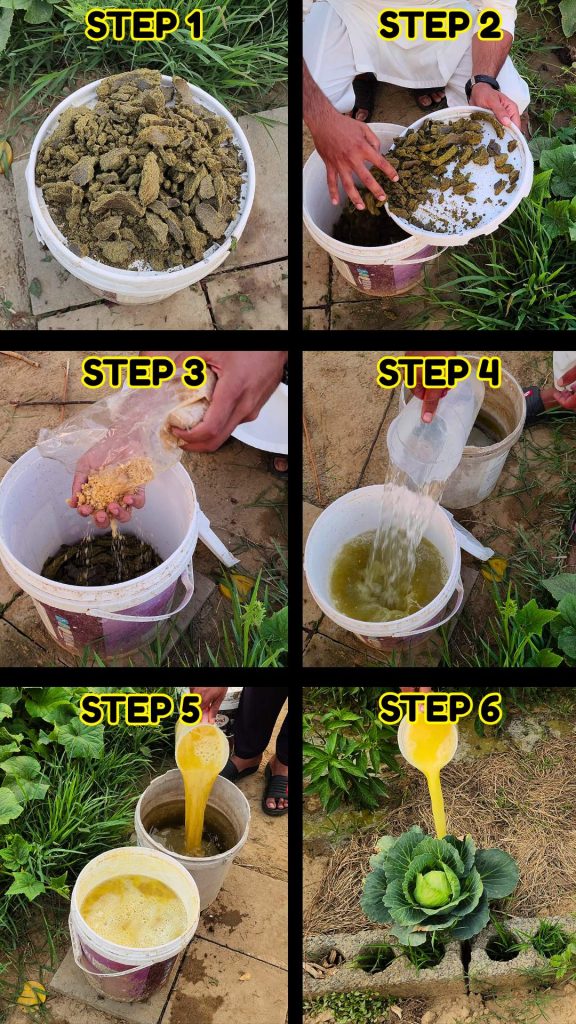
The actual process of making this fertilizer is incredibly simple, which is why it is so popular for home gardeners. Starting with a base of one kilogram of mustard cake provides enough concentrate to feed a medium-sized garden for a couple of weeks. By placing the cake in a bucket with twelve liters of water, you create a ratio that allows the cake to fully hydrate without becoming a thick paste that is hard to work with.
Mixing is a vital part of the first hour. Since mustard cake often comes in hard, compressed chunks from the feed store, it needs a bit of manual agitation to help the water penetrate the core of the pieces. Once you have stirred in your brown sugar and ensured the water has reached all the cake, the bucket should be covered. Covering it isn’t just about keeping the smell in; it’s about creating a controlled environment for the fermentation to take place.
During the next twenty-four hours, a chemical transformation occurs. You will notice the water changing color from a light tan to a deep, dark brown. This is the “tea” becoming saturated with organic compounds. It is important to leave it for at least a full day. If you use it too early, the chunks won’t be fully dissolved, and you’ll be leaving half of the nutrients in the bottom of the bucket.
Dealing With the Pungent Aroma
It is impossible to discuss mustard cake fertilizer without mentioning the smell. It is, quite frankly, very strong. Some people describe it as a mix of rotting vegetables and sharp sulfur. This is a natural result of the proteins in the mustard breaking down. While it might be off-putting to us, it is actually a sign of success.
The strong scent is an indicator that the volatile compounds are being released and the mixture is becoming chemically active. Interestingly, this smell can serve a secondary purpose in the garden. Many common garden pests, including certain types of beetles and even some larger animals like rabbits, find the scent of fermenting mustard to be repulsive. While the smell dissipates for humans within an hour or two of being applied to the soil, the chemical traces left behind can act as a subtle deterrent for pests that might otherwise snack on your tender greens.
To manage the smell during preparation, it is best to keep your fermentation bucket in a well-ventilated outdoor area, away from windows or doors. As long as the bucket is covered, the smell remains contained, but you will certainly notice it the moment you open the lid to begin the dilution process.
The Critical Importance of Dilution
If there is one mistake that can ruin the benefits of mustard cake fertilizer, it is failing to dilute it properly. Because this mixture is so nutrient-dense and biologically active, it is “hot.” In gardening terms, a “hot” fertilizer is one that can cause chemical burns to the roots if applied at full strength. The high concentration of nitrogen can dehydrate the delicate root hairs of a plant, causing the leaves to turn brown and the plant to wilt.
The standard safe ratio is 2 parts of the concentrated fertilizer tea to 10 parts of fresh water. This 1:5 dilution brings the nitrogen levels down to a range that is safe for almost all plants, from hardy fruit trees to more sensitive flowering annuals. When the mixture is properly diluted, it should look like a very weak, transparent tea rather than a thick, opaque soup.
Always remember that in organic gardening, less is often more. It is much better to give your plants a weaker dose more frequently than to hit them with a massive dose that shocks their system. Dilution also makes your one-kilogram batch go much further, allowing you to treat dozens of plants with a single preparation.
Application Techniques for Maximum Results
How you apply the fertilizer is just as important as how you make it. The goal is to get the liquid to the roots without causing issues for the rest of the plant. The best method is to pour the diluted liquid directly onto the soil at the base of the plant. This is known as “soil drenching.”
You should avoid getting the mixture on the leaves of the plant. Because the liquid contains organic solids and sugars, if it sits on the leaves in the hot sun, it can cause foliar burn or attract fungal spores. If you accidentally splash some on the leaves, a quick rinse with plain water will prevent any issues.
The best time to apply this fertilizer is in the early morning or late evening. During the heat of the day, plants are under stress and their roots are focused on moving water to the leaves to stay cool. By applying the fertilizer during the cooler parts of the day, you give the plant time to absorb the nutrients calmly. Additionally, it is a good practice to ensure the soil is already slightly moist before applying the fertilizer. This helps the liquid move through the soil particles more easily and ensures that the roots are ready to take in the nutrients.
Benefits for Flowering and Fruit-Bearing Plants
Mustard cake fertilizer is particularly famous for its effect on flowering plants like roses, hibiscus, and bougainvillea. Because of the phosphorus and sulfur content, it encourages the plant to produce more flower buds and leads to more intense colors. Gardeners often report that after a few applications, their roses produce larger blooms with a much stronger fragrance.
For fruit-bearing plants like tomatoes, peppers, and eggplants, the potassium in the mustard cake is a lifesaver. Potassium helps with sugar translocation within the plant, which directly impacts the flavor and sweetness of the fruit. A tomato plant fed with mustard cake liquid tea is likely to produce fruits that are not only larger but also have a better texture and a more “traditional” homegrown taste.
Since these plants are “heavy feeders,” meaning they require a lot of energy to produce their crop, they can handle regular applications of the fertilizer throughout the growing season. Using the diluted mix every ten to fourteen days provides a consistent stream of energy that keeps the plant from becoming exhausted by its own fruit production.
Recent Posts
The Secret Homemade Liquid Fertilizer That Can Boost Flowering, Fruiting, and Plant Growth Naturally
Many of the materials we throw away in the kitchen still contain nutrients that can be useful in the garden. Onion peels and potato peels are good examples. Instead of sending them to the trash, you...
I Mixed Yogurt, Molasses & Compost Tea for 24 Hours… The Results Changed My Garden Soil
Healthy soil is much more than a mixture of sand, silt, clay, and organic matter. It is a living ecosystem filled with bacteria, fungi, protozoa, nematodes, and many other microscopic organisms....